

Air Sealing Services for Long Island Homes
Even a well-insulated home can lose significant conditioned air through gaps around plumbing lines, wiring penetrations, attic hatches, recessed lighting, and framing connections. Air sealing closes these accessible openings, helping keep the air you have paid to heat or cool inside your home.
As an air sealing contractor Long Island homeowners can use alongside insulation upgrades, we identify leakage points from the basement to the attic before sealing them with appropriate materials.
How it works
What Air Sealing Actually Does
Air sealing targets specific leakage points top plates, plumbing and wiring penetrations, attic hatches, recessed fixtures, and gaps around chimneys or duct chases that you’d rarely notice from inside a finished room.
Warning signs
Signs of Air Leakage in a Long Island Home
Air leakage doesn't always feel like a dramatic draft. These are common indicators worth having assessed.
Noticeable drafts near outlets, baseboards, or window trim
Difficulty maintaining a consistent temperature room to room
A home that feels drafty even with the heat running
Higher than expected heating or cooling bills
Dust buildup around baseboards or fixtures
Visible daylight around attic hatches or recessed lighting
Our process
Our Professional Air Sealing Process
Leak identification
We inspect accessible areas of the home, including the attic, basement, and around penetrations, to identify likely air-leakage points.
Sealing plan
We rank the gaps by size and likely impact, sealing first the ones driving the most drafts and energy loss.
Sealing work
Using caulk, foam, and other materials suited to each gap, we seal the accessible openings while keeping the required fire-safety clearances around chimneys and flues.
Review
We discuss what was sealed and note any additional insulation or ventilation improvements that may further support the home's performance.
Benefits
Benefits of Professional Air Sealing
Fewer Noticeable Drafts
Sealing accessible gaps cuts down on the drafts you usually feel around outlets, baseboards, and window trim.
More Consistent Comfort
Less uncontrolled air movement can support more even temperatures between rooms and floors.
Reduced HVAC Runtime
When conditioned air stays inside longer, heating and cooling equipment may not need to work as hard to maintain a set temperature.
Better Insulation Performance
Air sealing can help insulation perform closer to its intended value by reducing airflow moving through or around it.
Our Air Sealing Process and Timeline
Initial Home Inspection
We inspect the attic, basement, and penetrations throughout the home to locate the points where air is leaking in and out.

Professional Air Sealing
We seal the accessible gaps with caulk, foam, and weatherstripping, keeping safe clearances around chimneys and flues.

Final Review and Cleanup
We review what was sealed, clean up, and note any insulation or ventilation steps that would help further.
Other Insulation and Building-Envelope Services
-
Insulation Services
From attic to crawl space insulation, we provide customized insulation solutions that help Long Island homeowners lower energy bills and create a more comfortable home.
-
Blown-In Cellulose Insulation
Dense-pack cellulose for attics and hard-to-reach cavities.
-
Duct Sealing
Seal leaking ductwork so conditioned air reaches the rooms that need it.
-
Spray Foam Insulation
Air seal and insulate in one step for hard-to-reach or irregular spaces.
-
Foam Board Insulation
Rigid insulation for attic access points, kneewalls, and equipment areas.
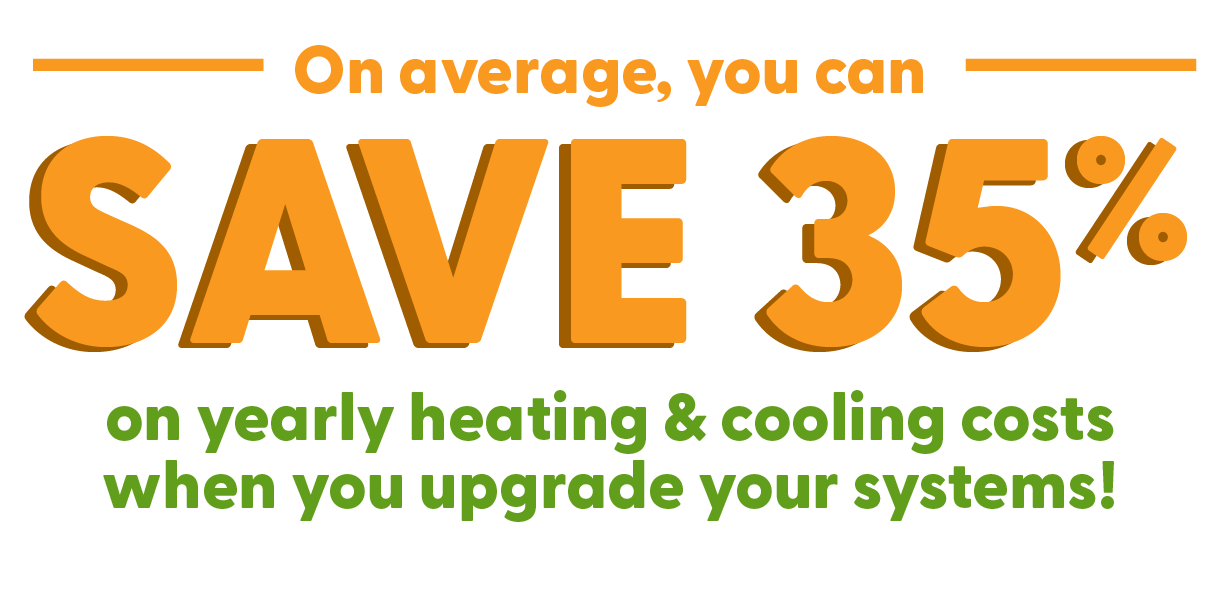
Take the guesswork out of home improvements-find solutions that will save money and improve indoor comfort. A free home energy assessment can tell you why your utility bills are on the rise. Plus, you will receive a free room-temperature and humidity gauge with your assessment.
Frequently Asked Questions
-
Air sealing closes gaps and cracks that let air move through the building envelope, while insulation slows the transfer of heat through materials. They work together, and addressing air leakage first can help insulation perform as intended.
-
Common leakage points include attic hatches, recessed lighting, plumbing and wiring penetrations, top plates, and gaps around chimneys or duct chases. An assessment can identify the specific points in your home.
-
Yes, when done correctly. We maintain required clearances around chimneys, flues, and combustion appliances and use appropriate materials near those areas to avoid safety issues.
-
Air sealing can reduce uncontrolled airflow, which may lower HVAC runtime and energy use, but results depend on the home's existing insulation, equipment, and other conditions. It's often most effective when combined with insulation upgrades.
-
Most air-sealing projects can be completed in a single visit, though the exact time depends on the size of the home and the number of accessible leakage points identified.