
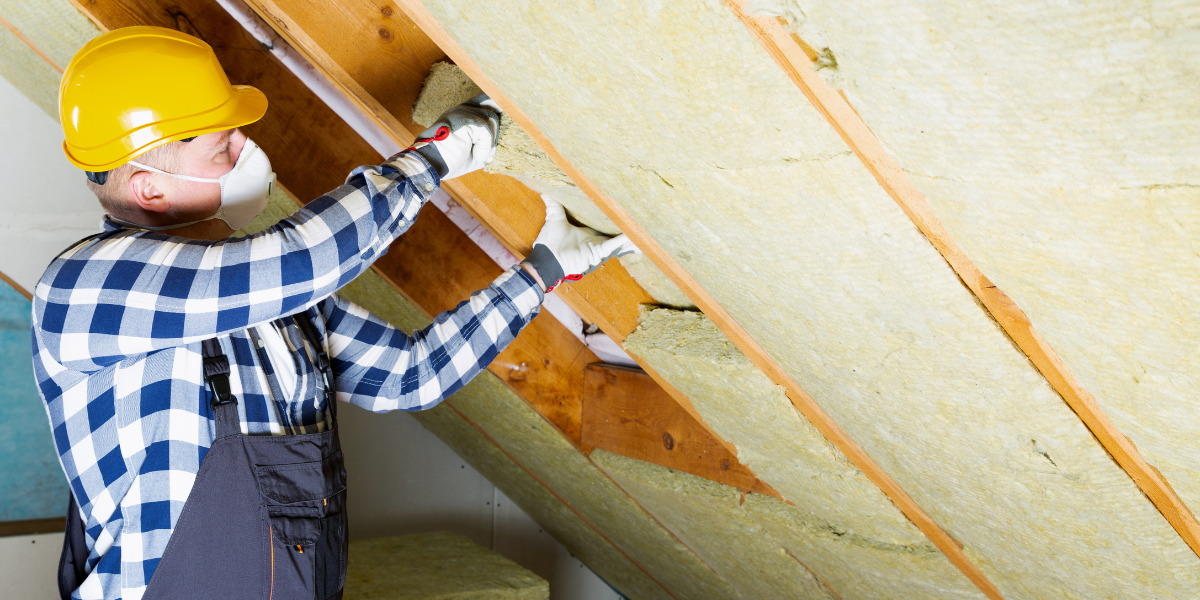
Attic Insulation Services for Long Island Homes
Hot upstairs in summer, freezing in winter? It usually starts in the attic. We air-seal and insulate so your Long Island home holds its temperature on every floor, and your energy bills come down. Free home energy assessment: call 631-641-8299.
How it works
What Attic Insulation Actually Does
If your bedrooms never feel as comfortable as the rest of the house, the attic is the first place to look. Heat slips out through gaps around hatches, wiring, plumbing, recessed lights, and framing, and thin or uneven insulation lets the problem get a little worse every season.
We get up there, find exactly where your home is losing energy, and recommend the right fix. Home Efficiency Experts installs cellulose, spray foam, and foam board insulation for homeowners across Nassau and Suffolk County, and it all starts with a free home energy assessment.
Warning signs
Signs Your Long Island Attic Needs Attention
Attic problems often show up in the rooms below. An assessment can determine whether the cause is low insulation, air leakage, uneven coverage, or another condition.
Upstairs rooms become much hotter than the first floor in summer
Attic floor joists remain visible above the insulation
Bedrooms feel cold or drafty during winter
The attic hatch or pull-down stairs feel drafty
Insulation looks thin, uneven, compressed, or disturbed
Existing insulation has moisture stains, odors, or animal contamination
Heating or cooling equipment runs for long periods
Ice dams form along the roof edge during snowy weather
Choosing the Best Attic Insulation for Your Home
The best attic insulation for a Long Island home depends on the attic layout, existing material, moisture conditions, storage needs, and the location of the thermal boundary. We inspect these details before recommending a material.
Blown-In Cellulose
Loose-fill cellulose can cover open attic floors and settle around framing, wiring, and other irregular areas. It is often installed after attic-floor air leaks have been sealed.
Spray Foam Insulation
Spray foam can seal penetrations in the attic floor or insulate selected roof slopes where a floor-level insulation approach is not practical.
Foam Board Insulation
Rigid foam board can be useful around attic hatches, pull-down stairs, knee walls, storage platforms, and access paths to mechanical equipment.
Our process
What to Expect From Our Attic Insulation Process
Home energy assessment
We inspect the attic, review current insulation levels, and use building-science testing to identify air leakage and other conditions affecting comfort.
Insulation and air-sealing plan
We explain the findings and recommend the material, installation area, air-sealing work, and preparation that fit the home.
Attic preparation
We prepare accessible work areas and address old insulation only when its condition or the project scope requires removal. Clean, dry material may be able to remain in place.
Insulation installation
Our team installs the selected material while accounting for attic access, storage areas, ductwork, mechanical equipment, and required ventilation paths.
Testing and review
After installation, we review the completed work and use follow-up testing where applicable to check the home's improvement.
Benefits
What Proper Attic Insulation Can Help With
More Consistent Temperatures
A better insulation layer can reduce heat transfer through the ceiling and help upper rooms stay closer to the thermostat setting.
Less Heating and Cooling Loss
Insulation and air sealing can reduce the amount of conditioned air and heat lost through the top of the home.
Reduced Drafts
Sealing attic-floor openings can reduce unwanted airflow around hatches, wiring, plumbing, and framing connections.
Better HVAC Support
When the building envelope loses less energy, heating and cooling equipment has less temperature loss to overcome.
Why choose us
Energy-Efficient Attic Insulation for Long Island Homes
Home Efficiency Experts is a Long Island family business with 18 years of home-performance experience. Our team evaluates how insulation, air leakage, heating, cooling, and the building envelope work together before recommending an upgrade.
Home Performance With ENERGY STAR Contractor
Our assessment and installation work follows recognized home-performance standards focused on energy use, safety, and comfort.
PSEG Long Island Home Performance Partner
We help homeowners understand available utility rebates and program options connected to qualifying home upgrades.
BPI GoldStar Contractor
Our team uses building-science testing and trained technicians to guide recommendations and check completed work.
Serving Nassau and Suffolk Counties
We provide attic insulation and home-performance services throughout Long Island from our Bohemia location.
Other Insulation and Building-Envelope Services
-
Insulation Services
Review insulation options for attics, walls, basements, and crawl spaces across Long Island homes.
-
Air Sealing
Close accessible gaps around attic penetrations, framing connections, hatches, and other leakage points.
-
Duct Sealing
Seal leaking ductwork so heated and cooled air reaches the rooms it is intended to serve.
-
Rebates and Incentives
See current information about programs that may help reduce the cost of qualifying energy-efficiency improvements.

Take the guesswork out of home improvements-find solutions that will save money and improve indoor comfort. A free home energy assessment can tell you why your utility bills are on the rise. Plus you will receive a free room temperature and humidity gauge with your assessment.
Attic Insulation Frequently Asked Questions
-
Your attic may need attention if insulation is thin or uneven, floor joists remain visible, upstairs rooms are difficult to heat or cool, or the attic hatch feels drafty. A home energy assessment can measure air leakage and review the existing insulation level.
-
The right material depends on the attic layout and the location of the insulation boundary. Blown-in cellulose often suits open attic floors, spray foam can address air leaks or selected roof slopes, and foam board can help around hatches, knee walls, and storage areas.
-
Accessible attic-floor air leaks should usually be sealed before new insulation covers them. Common leakage points include wiring and plumbing penetrations, wall top plates, open chases, recessed fixtures, and attic access openings.
-
No. Existing insulation may remain when it is dry, clean, and suitable for the planned work. Removal may be recommended when material is wet, contaminated, damaged, holding odors, or blocking areas that need repair or air sealing.
-
Cost depends on attic size, existing insulation, material choice, access, required air sealing, storage areas, knee walls, moisture conditions, and removal needs. An assessment allows the team to inspect these factors before preparing a proposal.
-
Many insulation and air-sealing projects can be completed in one day. Larger attics, difficult access, removal work, or a roof-slope application can require additional time. The expected schedule is confirmed after the assessment.
-
Insulation and attic-floor air sealing can reduce heat escaping toward the roof deck, one condition that can contribute to uneven snowmelt and ice dams. Roof, drainage, and ventilation conditions may also need review.
-
Look for a contractor that inspects the home before recommending materials, understands air sealing, uses building-science testing, and checks the completed work. Home Efficiency Experts serves homeowners across Nassau and Suffolk counties.