
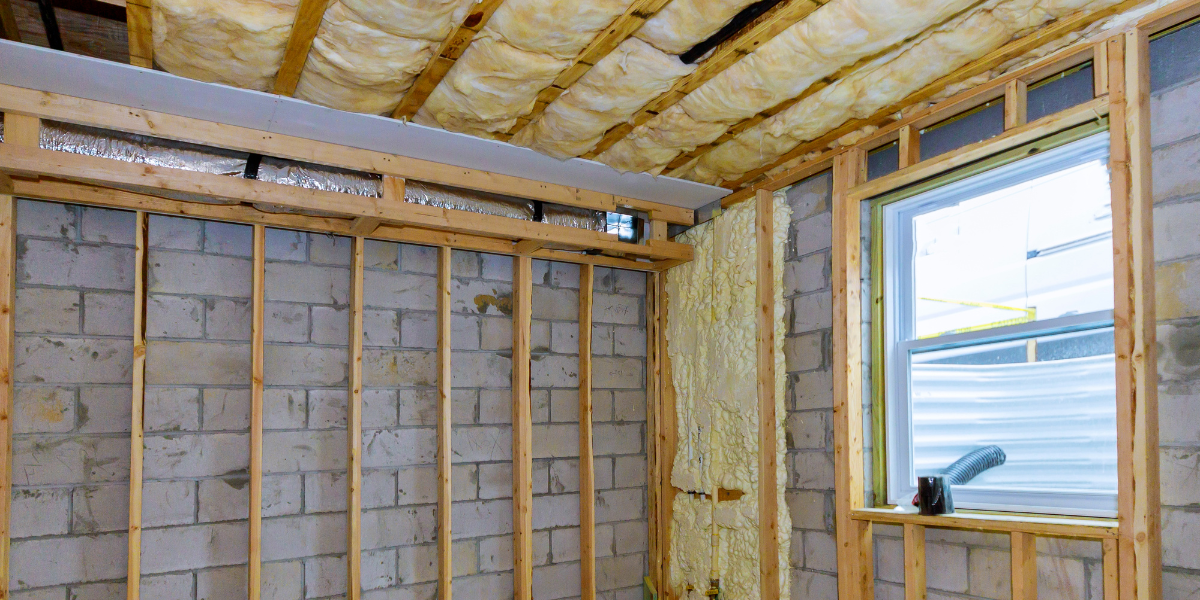
Basement Insulation for Long Island Homes
A cold basement makes your whole house harder to heat. We insulate the walls and rim joists and seal the leaks, so your first floor warms up and your heating system stops working overtime.
How it works
Why Basement Insulation Matters
A cold basement doesn’t stay in the basement. It pulls warmth out of the rooms above and makes your whole home harder to heat. Air sneaks in around the foundation, rim joists, pipes, wiring, and windows, and bare concrete walls let heat walk right out.
Home Efficiency Experts insulates and air-seals basements across Nassau and Suffolk County. We inspect yours, show you exactly where the energy is going, and build an insulation plan around how your basement connects to the rest of the house. Start with a free home energy assessment.
Warning signs
Signs Your Basement May Need Better Insulation
Basement insulation problems often show up in the first-floor rooms before they are noticed downstairs.
Consider scheduling an assessment if you notice:
Cold floors above the basement
Exposed concrete or block foundation walls
Drafts near baseboards or lower-level rooms
Missing, damaged, or sagging insulation
Musty odors or damp materials
Finished basement rooms that are difficult to heat or cool
Condensation on pipes, walls, or ductwork
Basement ductwork that feels hot or cold while nearby rooms remain uncomfortable
A basement that stays much colder than the rest of the house
Visible gaps around the rim joist or sill plate
Heating equipment running for long periods
Insulation that has been compressed or installed directly against a damp surface
Active leaks, standing water, visible mold, or damaged foundation materials should be addressed before new insulation is installed. Basement air sealing and insulation can improve thermal performance, but they cannot repair exterior drainage or plumbing failures.
Basement Insulation Options for Long Island Homes
The best basement insulation depends on how the space is used, moisture conditions, foundation construction, and where the home's thermal boundary should be located. We inspect the basement before recommending the insulation system that best fits your home.
Rigid Foam Insulation for Basement Walls
Rigid foam board creates a continuous insulation layer along foundation walls and performs well in below-grade areas where moisture resistance is important. It can also be used around rim joists and other locations where a durable insulation panel supports the basement insulation system.
Spray Foam Basement Insulation
Spray foam expands to fill gaps while insulating and reducing unwanted airflow. It is commonly used around rim joists, foundation walls, sill plates, pipe penetrations, and irregular framing where traditional insulation cannot provide continuous coverage.
Basement Air Sealing & Rim Joist Insulation
Air leaks around rim joists, sill plates, wiring, plumbing, duct penetrations, and framing can reduce the effectiveness of basement insulation. Sealing these accessible gaps before insulation is installed helps improve comfort, reduce drafts, and support overall home performance.
Our process
Our Basement Insulation Process
Begin with a free home energy assessment
We inspect the basement and review how it connects to the living area. We look at foundation walls, ceiling joists, rim joists, insulation, ductwork, pipes, air leakage, and visible moisture conditions.
Identify the air and thermal boundaries
We determine whether insulation should focus on the foundation walls, basement ceiling, rim joists, or a combination of areas.
Address accessible air leaks
Approved openings around framing, pipes, wiring, ducts, and sill plates are sealed before insulation covers them. Fire-safety clearances are maintained around flues, chimneys, and heat-producing equipment.
Install the selected insulation
Rigid foam, spray foam, or another suitable material is installed according to the project plan. Coverage, joints, edges, and transitions are handled so the insulation connects with the surrounding air barrier.
Review and test the completed work
After the install, we run a blower-door test and have the completed work inspected by a certified BPI technician.
Benefits
Benefits of Proper Basement Insulation
Warmer floors
Insulating and sealing the boundary below the first floor can reduce heat movement into a colder basement
Fewer lower-level drafts
Sealing rim joists, sill plates, and utility penetrations can reduce uncontrolled outdoor air entering through the bottom of the house.
Better room-to-room comfort
A connected insulation and air-sealing layer can help rooms stay closer to the thermostat setting.
Better conditions around basement ductwork
Accessible ducts in basements may lose conditioned air through leaking joints or uninsulated surfaces. Home Efficiency Experts provides duct sealing and recommends insulating accessible basement ductwork where appropriate
Reduced heating and cooling loss
Insulation slows heat transfer through basement walls, floors, and framing. Air sealing reduces the flow of conditioned air through gaps.
A better foundation for a finished basement
Insulating before finishing the basement allows moisture conditions, rim joists, foundation walls, and service penetrations to be addressed while they remain accessible.
Why choose us
Why Choose Home Efficiency Experts?
Home Efficiency Experts is a Long Island family business with 18 years of experience in insulation, air sealing, HVAC upgrades, and home-performance work. The company serves homeowners across Nassau and Suffolk counties.
Assessment-led recommendations
We inspect the house before selecting insulation materials or deciding where the thermal boundary belongs.
Home Performance with ENERGY STAR contractor
Home Efficiency Experts participates in the Home Performance with ENERGY STAR program for home assessment and energy-upgrade work.
PSEG Long Island Home Performance Partner
The company works with PSEG Long Island programs and helps customers identify available utility incentives.
Nassau and Suffolk County Service
Our team serves homeowners across Long Island, including communities throughout Nassau and Suffolk counties.
Other Insulation and Building-Envelope Services
-
Insulation Services
Review insulation options for attics, walls, basements, and crawl spaces across Long Island homes.
-
Air Sealing
Close accessible gaps around attic penetrations, framing connections, hatches, and other leakage points.
-
Duct Sealing
Seal leaking ductwork so heated and cooled air reaches the rooms it is intended to serve.
-
Rebates and Incentives
See current information about programs that may help reduce the cost of qualifying energy-efficiency improvements.

Take the guesswork out of home improvements-find solutions that will save money and improve indoor comfort. A free home energy assessment can tell you why your utility bills are on the rise. Plus you will receive a free room temperature and humidity gauge with your assessment.
Basement Insulation Frequently Asked Questions
-
The right material depends on moisture conditions, wall construction, finishing plans, and local code requirements. Rigid foam can provide continuous thermal coverage along foundation walls. Closed-cell spray foam may suit rim joists, irregular surfaces, and selected wall areas where air sealing is also needed. An assessment should be completed before material is placed against concrete or masonry.
-
Rigid foam is commonly used on unfinished foundation and basement walls. ENERGY STAR identifies foam board as suitable for foundation, basement, and crawl-space walls. The boards should be fitted tightly, with seams and perimeter edges sealed as required by the wall design.
-
Insulate the foundation walls when the basement will be included within the home’s insulated enclosure. Basement ceiling insulation may be used when the basement remains unconditioned and the goal is to separate it from the first-floor living space. The decision should account for moisture, HVAC equipment, ducts, plumbing, and how the basement is used.
-
Yes, when heat loss through the basement ceiling, foundation walls, or rim joists contributes to the problem. Insulation slows heat transfer, while air sealing reduces cold air entering around framing and penetrations. Other causes, such as duct imbalance or heating-system issues, may also need review.
-
No single vapor-control method suits every basement. The correct vapor retarder depends on the wall assembly, insulation, moisture source, and the ability of materials to dry.
-
Spray foam can be used in suitable basement applications, including rim joists, wall areas, and irregular framing connections. Home Efficiency Experts provides spray foam installation and identifies walls and rim joists as common application areas.
-
Wet, moldy, contaminated, or badly damaged insulation generally needs evaluation before new material is installed. The moisture source should be found and corrected first. Covering wet insulation can conceal the problem and allow damage to continue.
-
Pricing depends on basement size, wall or ceiling area, selected material, rim-joist work, air sealing, access, existing finishes, and moisture conditions. A clear estimate requires an on-site assessment because two basements with similar dimensions may require very different preparation.
-
The schedule depends on the basement’s size, access, preparation needs, material, and whether damaged insulation must be removed. Home Efficiency Experts states that many insulation projects can be completed in one day, though larger or more involved projects may take longer.
-
Look for a company that assesses the whole home before recommending materials, understands air sealing and moisture management, checks combustion safety, and verifies completed work.
-
Yes. Home Efficiency Experts states that it serves Suffolk and Nassau counties from its Bohemia location. Service availability for a specific property can be confirmed when booking the assessment.