
Why Your Home Feels Cold Even with the Heat On: How Air Sealing Helps
Your thermostat says 72°F, but you are still shivering on the couch. You turn the heat up a few degrees, the furnace kicks on, and yet that stubborn chill remains. If you are constantly battling drafts while your energy bills climb, your heating system might not be the problem.
Many homeowners assume a cold house means it is time to repair or replace the furnace. Often, the real culprit is a compromised building envelope. Hidden gaps and cracks allow heated air to escape while pulling cold outdoor air inside.
Implementing professional air sealing fixes this structural issue permanently. By systematically closing the invisible gaps across your home, you halt this continuous cycle of heat loss. This simple targeted upgrade keeps your heated air indoors, eliminates uncomfortable drafts, stabilizes room-by-room temperatures, & significantly reduces your monthly utility bills.
This blog explains why persistent drafts happen, how hidden air leaks affect comfort, and why air sealing should be paired with the right insulation strategy.
Why Your Home Still Feels Cold Even When the Heat Is Running

Common Signs Your Home Is Losing Heat
Residential heat loss is often hidden. Instead, it shows up as everyday comfort problems that many homeowners mistake for normal wear and tear. Common warning signs include:
Persistent drafts: Feeling distinct cold air currents near your baseboards, windows, exterior doors, or electrical outlets.
Uneven room temperatures: Discovering that the upstairs bedrooms are sweltering while the ground floor or basement feels like an icebox.
An overworked furnace: Hearing your heating system cycle on and off constantly without ever truly warming the space.
Skyrocketing winter bills: Noticing a sharp, sudden increase in energy costs compared to the previous winter, despite keeping your thermostat at the same setting.
Where Warm Air Escapes Without You Realizing It
Many homeowners assume cold air only enters through visible gaps around old windows or exterior doors. While those areas contribute to the problem, they account for only part of a home's total air leakage.
Common Air Leak Locations
Some of the most important air leaks are hidden in unconditioned areas of the home. Heated air can escape through:
Attic penetrations: Gaps around plumbing stacks, electrical wires, and drywall seams hidden beneath loose insulation.
Recessed lighting fixtures: Unsealed canister lights that act like mini chimneys, venting warm air straight into the attic.
The attic hatch: An uninsulated or unsealed access panel that allows air to flow freely between your living spaces and the roof.
Basement rim joists: The perimeter area where your home's wood framing rests on the concrete foundation, which frequently warps and creates gaps.
Crawl spaces and utility cuts: Openings carved out for plumbing lines, electrical conduits, and outdoor dryer vents.
Because these gaps are often hidden inside floors, ceilings, and walls, they can be difficult to find without specialized diagnostic tools.
Ready to Improve Your Home's Efficiency?
Contact Home Efficiency Experts for a thorough home assessment or to book your service.
Get A Free Home AssessmentThe Stack Effect: Why Your Home Pulls Cold Air Inside
To understand why a house stays cold, it helps to understand a basic building-science principle: the stack effect.
The stack effect is the natural movement of air caused by indoor and outdoor temperature differences. In winter, warm indoor air rises and escapes through upper-level leaks, such as attic gaps. That creates negative pressure that pulls cold outdoor air inside through lower-level cracks, basements, and crawl spaces.
This pressure dynamic explains why turning up the thermostat cannot solve a draft problem. The warmer the indoor air becomes, the faster it can rise and escape through upper-level leaks, pulling cold air in through lower-level openings.
Why Insulation Alone Does Not Always Solve the Problem
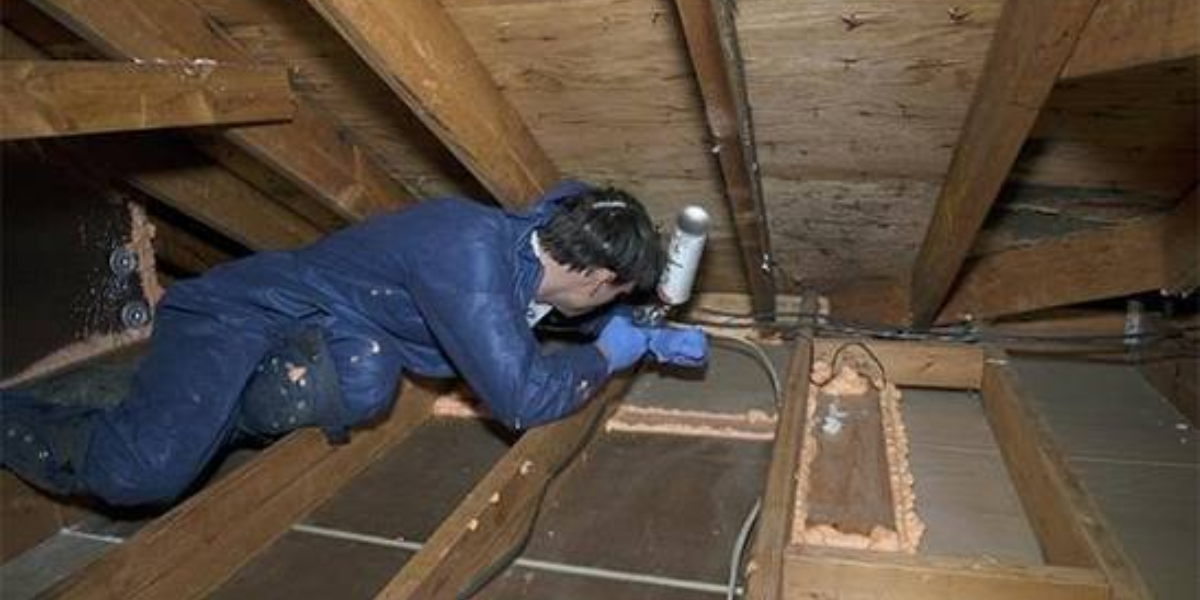
A common misconception is that adding more fiberglass or cellulose insulation will automatically warm a drafty room. Insulation is important, but it does a different job from air sealing.
Air Sealing vs. Insulation: What Is the Difference?
Think of your home like winter clothing. Insulation works like a warm sweater by slowing heat transfer. But on a windy day, you also need a windbreaker to stop air movement. Air sealing plays that role in your home.
Air sealing is the windbreaker for your home. It prevents air movement by convection, and insulation reduces heat conduction. A good place to start is to install insulation over open air leaks, as warm air will travel straight through it, making the material incredibly inefficient.
| Feature / Benefit | Air Sealing | Insulation |
|---|---|---|
| Primary Mechanism | Stops structural air movement | Slows down conductive heat transfer |
| Direct Impact | Eliminates drafts and pressure leaks | Improves overall thermal resistance (R-value) |
| System Interaction | Protects insulation from air bypass | Works at peak efficiency when air leaks are sealed |
When Spray Foam Insulation or Foam Board Insulation Makes Sense
Some areas of the home benefit from materials that address air leakage and heat transfer together.
Spray foam insulation can be useful in hard-to-reach areas such as basement rim joists and roof decks. It expands into gaps and can provide both insulation and air sealing. For flat, open surfaces such as basement walls or attic areas, foam board insulation provides rigid thermal protection while helping limit air movement.
Ready to Improve Your Home's Efficiency?
Contact Home Efficiency Experts for a thorough home assessment or to book your service.
Get A Free Home AssessmentHow Air Sealing Permanently Solves Cold Home Problems
Comprehensive air sealing can change how the home handles heat and air. By reducing uncontrolled exchange between indoor and outdoor air, it can provide several long-term benefits.
Creates a Continuous Thermal Envelope
Sealing helps create a more continuous thermal and air barrier. When floors, walls, and ceilings are properly addressed, the home can retain more of the heat generated by the furnace and maintain more consistent comfort.
Reduces Drafts Throughout the Home
Once major air leaks are addressed, cold air is less likely to rush in through outlets, baseboards, and floorboards. This can help reduce temperature differences between rooms and improve overall comfort.
Improves Indoor Humidity During Winter
Uncontrolled winter air leaks can bring in very dry outdoor air, which may make indoor humidity uncomfortable. Sealing major leaks can help the home maintain more stable humidity levels and protect woodwork from excessive dryness.
Don't Overlook Duct Sealing
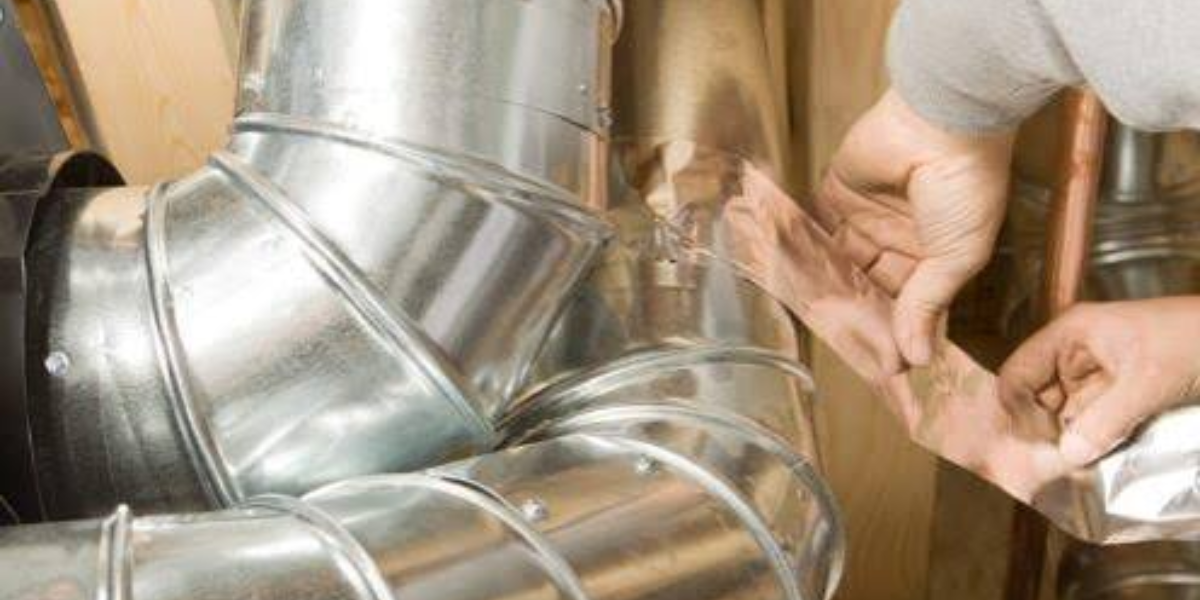
Sealing the building envelope is important, but your heating system has another source of air loss: the ductwork.
Your ductwork distributes conditioned air throughout the home, but leaks at joints, cracks, and poor connections can waste heated air. If ducts run through an attic or crawl space, that conditioned air can escape before it reaches the living areas.
Structural air sealing addresses leaks in the building envelope, while duct sealing addresses leaks within the HVAC system. Addressing both can help your heating system work more efficiently and ensure more of the air you pay to heat reaches your living spaces.
What Happens After Your Home Is Properly Air-Sealed?
Once major air leaks are professionally sealed, homeowners may notice several improvements in daily comfort:
Lower energy use: Your furnace may use less energy when the home retains heat more effectively.
Quieter indoor spaces: Sealing exterior gaps can also reduce some outdoor noise.
Cleaner indoor air: Reducing uncontrolled outdoor air leakage can limit the entry of dust, pollen, and other outdoor particles.
Less HVAC strain: A home that retains heat more effectively may require less heating runtime, which can reduce system wear.
Should You DIY Air Sealing or Hire a Professional?
Some minor sealing tasks are manageable as DIY projects. However, hidden structural air leaks often require building-science knowledge and professional equipment.
DIY Projects That May Help
If you want to address simple, visible gaps around your living areas, these projects can be a good starting point:
Installing fresh rubber weatherstripping around leaky window sashes.
Attaching heavy-duty silicone door sweeps to the bottom of exterior doors.
Applying high-quality interior caulk along the edges of window trim and baseboards.
Why Professional Air Sealing Delivers Better Results
Caulking baseboards can help, but many significant air leaks remain hidden. Professional technicians can use diagnostic tools to trace these air pathways.
Blower door testing and thermal imaging can help identify where air is escaping. Professionals can then use appropriate tools and sealants to address hidden attic bypasses, crawl space leaks, and other hard-to-reach openings.
How Home Efficiency Experts Improve Home Comfort
At Home Efficiency Experts, the goal is to identify the source of comfort problems rather than rely on guesswork. The team uses a home-performance approach to recommend targeted improvements.
Our team begins with a home energy assessment to identify specific weak spots using thermal technology and pressure testing. Solutions may include attic air sealing, duct sealing, spray foam insulation, or foam board insulation, depending on the home's needs.
Conclusion
If your house remains cold even when the heat is on, the furnace may not be the only issue. Hidden structural air leaks can let heated air escape while pulling cold outdoor air inside.
Long-term comfort starts with a well-sealed building envelope. Professional air sealing can reduce drafts, improve temperature consistency, and help reduce the workload on your HVAC system. When paired with appropriate insulation and sealed ductwork, it can contribute to a more comfortable and energy-efficient home.
Stop wasting money heating the great outdoors. Visit Home Efficiency Experts today to schedule your comprehensive home energy assessment and fix your winter drafts permanently.
Frequently Asked Questions
Why does my house feel cold even when the heater is running?
This issue can be caused by unsealed gaps in the attic, basement, walls, or other parts of the building envelope. These openings allow heated air to escape and cold outdoor air to enter, creating persistent drafts.
Does air sealing really reduce heating bills?
Yes. By reducing uncontrolled air leakage, air sealing can help your home retain conditioned air and reduce the workload on your heating and cooling systems. The actual savings vary by home and existing conditions.
Is air sealing better than adding insulation?
They work together. Insulation slows heat transfer, while air sealing reduces unwanted air movement. Air leaks should generally be addressed before or along with adding insulation.
What is the difference between air sealing and duct sealing?
Air sealing addresses holes, gaps, and cracks in the building envelope, such as the attic floor or basement walls. Duct sealing addresses leaks within the HVAC duct system so conditioned air reaches the living spaces.
How long does professional air sealing last?
When performed correctly with appropriate sealants and materials, air sealing can last for many years. Its longevity depends on the materials used, the location, and the condition of the building.
What type of insulation works best after air sealing?
It depends on the location. Spray foam insulation can work well for sealing and insulating rim joists and some attic areas. For open attic floors, loose-fill fiberglass or cellulose can be effective once underlying air leaks are properly sealed.