
Blown-In Cellulose Insulation for Long Island Homes
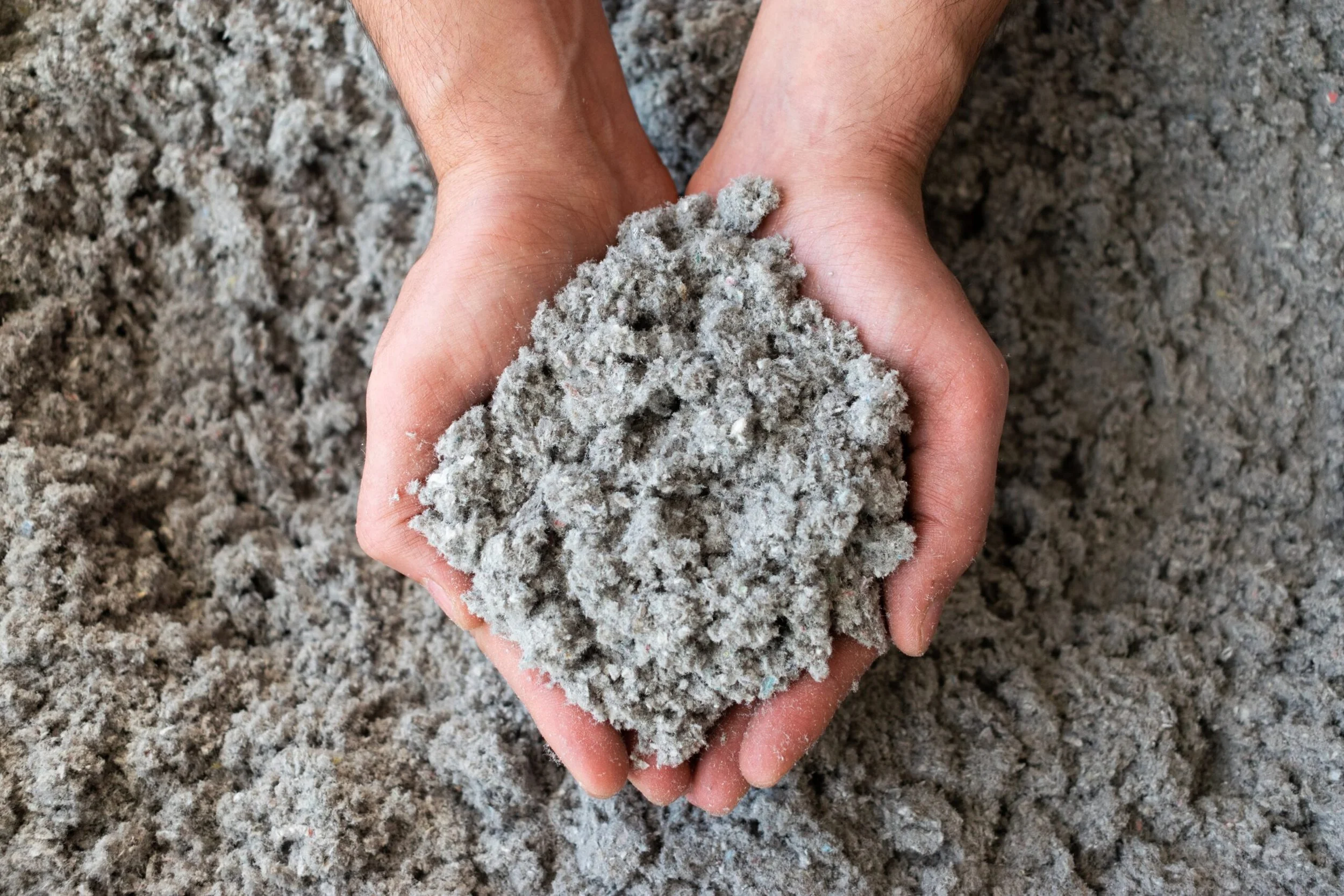
Blown-in cellulose insulation is a common choice for Long Island attics because it fills irregular spaces around framing, wiring, and existing insulation more thoroughly than some batt products. Made primarily from recycled paper fiber treated with fire retardant, it settles into gaps that would otherwise remain uninsulated.
As part of our insulation services, we install dense-pack and loose-fill cellulose based on the specific attic or wall cavity being treated.
How it works
How Blown-In Cellulose Works
Cellulose insulation is installed using a machine that breaks up and blows the material into place, allowing it to conform around obstructions like wiring, framing, and ductwork in a way that rigid materials cannot. In open attics, it's typically blown to a target depth across the entire floor.
In enclosed wall cavities, a dense-pack method is used, where cellulose is blown in at a higher density to help resist settling and provide more consistent coverage over time.
Warning signs
When Cellulose Is a Practical Choice
Cellulose isn't the right material for every space, but it's often a strong fit in these situations.
Open attics with irregular framing or existing insulation
Enclosed wall cavities suited to a dense-pack approach
Homes where sound dampening between floors is a priority
Homeowners prioritizing a recycled-content material
Attics needing topped-off coverage over older insulation
Areas where pest resistance is a consideration
Our process
What to Expect From Cellulose Insulation
Attic evaluation
We measure existing insulation depth and check for air leaks, moisture, or ventilation issues that should be addressed before adding cellulose.
Prep work
We put all air sealing, baffles, and protective barriers around fixtures and chimneys in place before any cellulose is blown in.
Blowing in cellulose
Cellulose is blown to the target depth and density for the specific space, whether that's an open attic floor or an enclosed wall cavity.
Depth verification
Before we complete the project, we review coverage with the depth we intended and discuss the results with you.
Benefits
Characteristics of Cellulose Insulation
Thorough Coverage
Unlike some stiffer materials, cellulose can be blown into hard to reach areas and spaces around obstructions more effectively.
Fire-Retardant Treatment
Cellulose insulation is treated with fire retardant chemicals during the manufacturing process to comply with fire safety requirements.
Sound Dampening
The dense, fibrous material can help reduce sound transmission between floors or rooms when installed in the right locations.
Pest Deterrent Properties
The cellulose treatment can also help repel nesting pests, but it is not designed to replace the need to control existing pest entry points.
Our Cellulose Insulation Installation Process and Timeline
Initial Attic Inspection
We inspect the attic, measure the existing insulation depth, and note where blown-in cellulose will add the most coverage.

Professional Cellulose Installation
We blow cellulose to the target depth and density, filling the gaps around framing, wiring, and ductwork that batts tend to miss.

Final Review and Cleanup
We check the finished depth against our target, clean up the space, and review the results with you.
Our Other Insulation and Building-Envelope Services
-
Insulation Services
From attic to crawl space insulation, we provide customized insulation solutions that help Long Island homeowners lower energy bills and create a more comfortable home.
-
Air Sealing
Close the gaps that let conditioned air escape and outdoor air in.
-
Duct Sealing
Seal leaking ductwork so conditioned air reaches the rooms that need it.
-
Spray Foam Insulation
Air seal and insulate in one step for hard-to-reach or irregular spaces.
-
Foam Board Insulation
Rigid insulation for attic access points, kneewalls, and equipment areas.
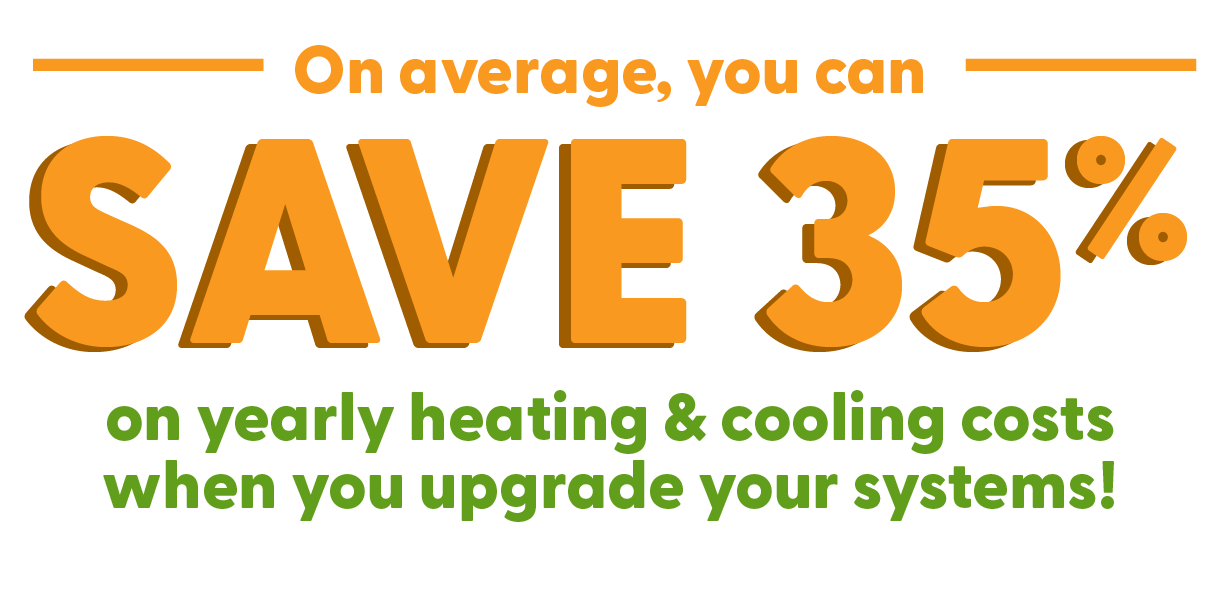
Take the guesswork out of home improvements-find solutions that will save money and improve indoor comfort. A free home energy assessment can tell you why your utility bills are on the rise. Plus, you will receive a free room-temperature and humidity gauge with your assessment.
Frequently Asked Questions
-
Cellulose insulation is made primarily from recycled paper fiber, most commonly recycled newsprint, treated with fire-retardant chemicals during manufacturing.
-
There is no universal answer. Cellulose often provides better coverage in irregular spaces and offers sound dampening benefits, while fiberglass may be more suitable in certain applications depending on the project.
-
Yes. In many attics, cellulose can be blown over existing insulation to increase insulation depth and improve coverage, provided the existing insulation is dry and in good condition.
-
Loose-fill cellulose can settle somewhat over time, which is factored into the installed depth. Dense-pack cellulose used in wall cavities is installed to help resist significant settling.
-
Yes. Cellulose insulation is generally safe around standard electrical wiring when installed correctly. Proper clearances must be maintained around heat-producing fixtures and components according to applicable building codes.