
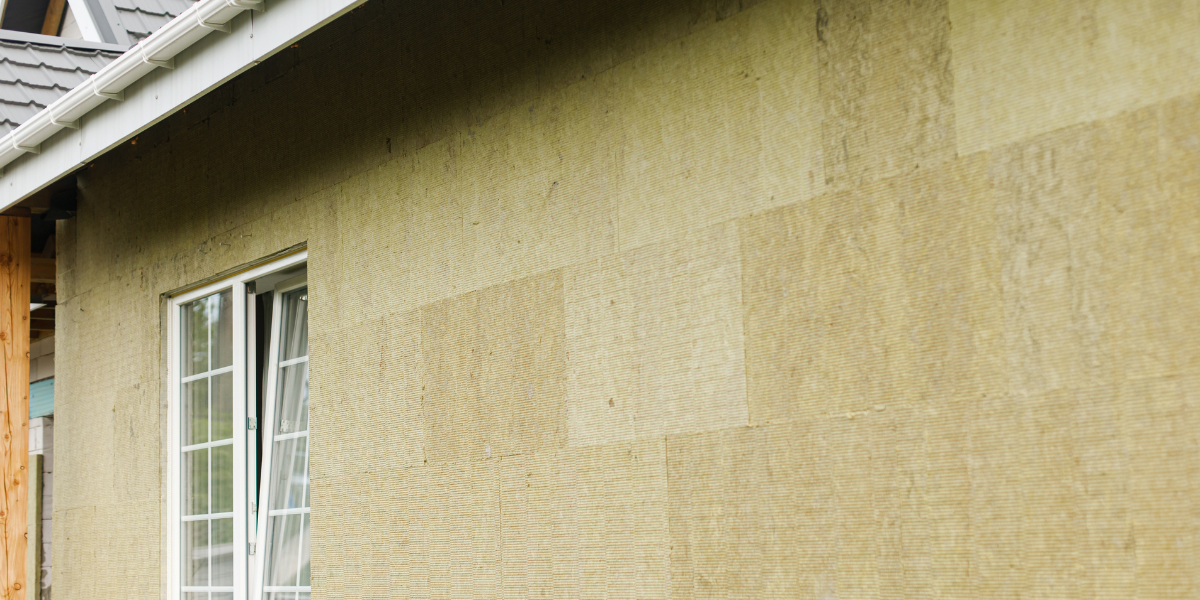
Exterior Wall Insulation for Long Island Homes
Some rooms never warm up no matter how high you turn the heat, and empty wall cavities are usually why. We dense-pack your exterior walls from the outside, with no torn-up drywall inside.
How it works
What Exterior Wall Insulation Does
Cold walls, drafts near the outlets, and a room that never quite warms up usually point to one thing: your wall cavities are empty or barely insulated. We check what’s actually inside your walls and recommend the fix that suits how your home is built.
In most finished homes, we install dense-pack cellulose through small access points on the outside, so there’s no torn-up drywall and no repainting inside. Every job starts with a free home energy assessment, so the plan fits your house.
Insulation slows heat flow while air sealing closes the gaps that let air leak through. A free home energy assessment tells us whether it’s the empty wall cavities, air leakage, or both that’s making your rooms uncomfortable.
Warning signs
Signs Your Long Island Home May Need Wall Insulation
Wall insulation problems often show up as comfort issues before a homeowner can see what is happening inside the cavity.
Exterior-facing walls feel noticeably cold in winter
One room stays hotter or colder than nearby rooms
Rooms lose heat quickly after the system shuts off
Heating and cooling equipment runs for long periods
Energy bills rise while comfort remains inconsistent
Older wall cavities have little or uneven insulation
Drafts are noticeable near outlets, trim, or baseboards
Street noise carries easily through exterior walls
Wall Insulation Options for Long Island Homes
The best material depends on whether the walls are finished or open, how the cavities are built, and whether moisture or air leakage needs to be addressed. We evaluate the wall assembly before recommending a product.
Dense-Pack Cellulose Wall Insulation
Dense-pack cellulose fills enclosed wall cavities and can reach irregular spaces around framing. Home Efficiency Experts installs dense-packed cellulose in exterior walls from outside the home, which reduces interior disruption and avoids routine drywall repair or repainting.
Exterior Wall Spray Foam Insulation
Spray foam insulates and limits airflow in one application. It may suit open or accessible wall assemblies where the installation conditions support it. Material choice depends on cavity access, moisture exposure, and the location of the home's air and thermal boundaries.
Air Sealing Around Wall Connections
Gaps around wall top plates, wiring, plumbing, and framing connections can move air even when insulation is present. Accessible leaks may need sealing as part of the wider home-performance plan.
Our process
What to Expect From Our Wall Insulation Process
Home energy assessment
We review comfort concerns, inspect accessible insulation, and look for air leaks or building-envelope weaknesses that may be affecting the walls.
Wall-cavity evaluation
We consider the age and construction of the home, cavity access, existing insulation, siding conditions, and any areas that need additional investigation.
Insulation recommendation
We explain whether dense-pack cellulose, spray foam, air sealing, or another insulation approach fits the wall assembly and the homeowner's priorities.
Careful installation
For dense-pack cellulose in finished exterior walls, small access points are created outside the home so the cavities can be filled with less disruption indoors.
Final review
We review the completed work, close the installation access points, and explain any related insulation or air-sealing improvements identified during the project.
Benefits
What Proper Wall Insulation Can Improve
More Stable Room Temperatures
Evenly filled wall cavities can reduce heat movement through exterior walls and help rooms stay closer to the thermostat setting.
Fewer Cold Wall Surfaces
Improved thermal resistance can reduce the cold-wall effect that makes a room feel uncomfortable even when the air temperature seems normal.
Lower Heating and Cooling Demand
When less heat moves through the walls, the HVAC system may spend less time compensating for energy loss.
Installed from outside
Dense-pack cellulose can be added to finished exterior wall cavities with less disruption inside the home. The installation does not routinely require interior drywall repair or repainting.
Quieter Interior Spaces
Dense-pack cellulose can dampen sound moving through exterior walls, which may help in homes near traffic or other outdoor noise.
Why choose us
Why Long Island Homeowners Choose Home Efficiency Experts
We approach wall insulation as part of the home's full building envelope. That means checking the source of the comfort problem before recommending a material or installation method.
18 Years of Home-Performance Experience
Our team has worked with Long Island homeowners on insulation, air sealing, HVAC upgrades, and related energy-efficiency improvements for 18 years.
Building-Science Assessment
A free home energy assessment helps identify insulation gaps, air leakage, and other conditions that can affect comfort and energy use.
Recognized Program Credentials
Home Efficiency Experts is a Home Performance with ENERGY STAR contractor, a PSEG Long Island Home Performance Partner, and a BPI GoldStar Contractor.
Nassau and Suffolk County Service
Our team serves homeowners across Long Island, including communities throughout Nassau and Suffolk counties.
Other Insulation and Building-Envelope Services
-
Insulation Services
Review the insulation materials and installation methods available for Long Island homes.
-
Blown-In Cellulose Insulation
Learn how loose-fill and dense-pack cellulose are used in attics and enclosed wall cavities.
-
Spray Foam Insulation
Compare open-cell and closed-cell spray foam for accessible parts of the building envelope.
-
Air Sealing
Close accessible gaps that allow conditioned air to leave and outdoor air to enter the home.
-
Rebates and Incentives
See current information about programs that may help reduce the cost of qualifying home upgrades.
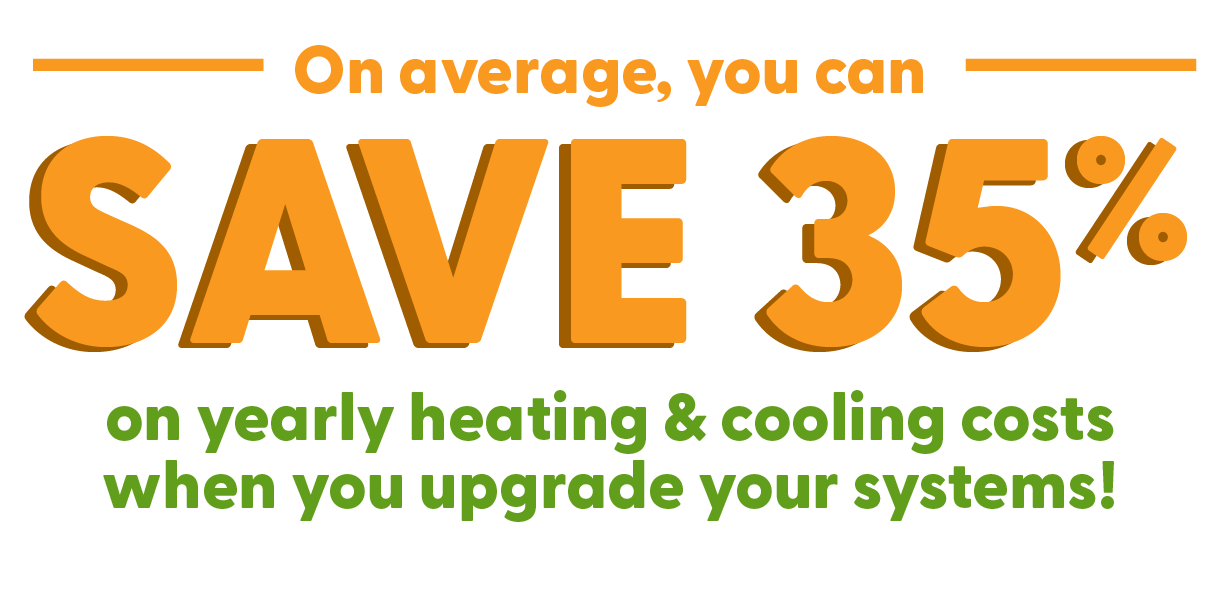
Take the guesswork out of home improvements-find solutions that will save money and improve indoor comfort. A free home energy assessment can tell you why your utility bills are on the rise. Plus you will receive a free room temperature and humidity gauge with your assessment.
Exterior Wall Insulation Frequently Asked Questions
-
Exterior wall insulation fills or covers the wall assembly to slow heat transfer between indoor rooms and outdoor conditions. In an existing finished home, the work often focuses on filling enclosed wall cavities. The correct method depends on the wall construction, existing insulation, and available access.
-
Yes, in many finished homes. Home Efficiency Experts installs dense-packed cellulose in exterior wall cavities from outside the home. Small access points allow the material to be placed without routine interior drywall repair or repainting. The siding and wall construction must be evaluated first.
-
The answer depends on the wall. Dense-pack cellulose is well suited to many enclosed exterior wall cavities and can be installed with limited interior disruption. Spray foam insulates and restricts airflow, but it generally needs suitable access and careful material selection. We evaluate the wall assembly before recommending either option.
-
Wall insulation can reduce heat transfer and may lessen discomfort near cold exterior walls. Drafts caused by gaps around outlets, framing connections, plumbing, or wiring may also require air sealing. A home energy assessment helps separate an insulation problem from an air-leakage problem.
-
Dense-pack cellulose has sound-dampening qualities and can reduce some noise moving through exterior walls. The result depends on the wall assembly, windows, doors, and the type and source of the sound.
-
Cost depends on the number and size of the walls, cavity depth, existing insulation, siding type, access, material choice, and any preparation work. A home energy assessment provides the information needed to recommend the work and prepare a project-specific proposal.
-
Insulation and air-sealing projects may qualify for utility or energy-efficiency programs when they meet current requirements. Program availability, eligibility, and incentive amounts can change. Home Efficiency Experts can help homeowners review options connected to a qualifying assessment and project.
-
Home Efficiency Experts serves Long Island homeowners throughout Nassau and Suffolk counties. The company is based in Bohemia, New York, and provides insulation, air sealing, home energy assessments, and related home-performance services across its published service area.