
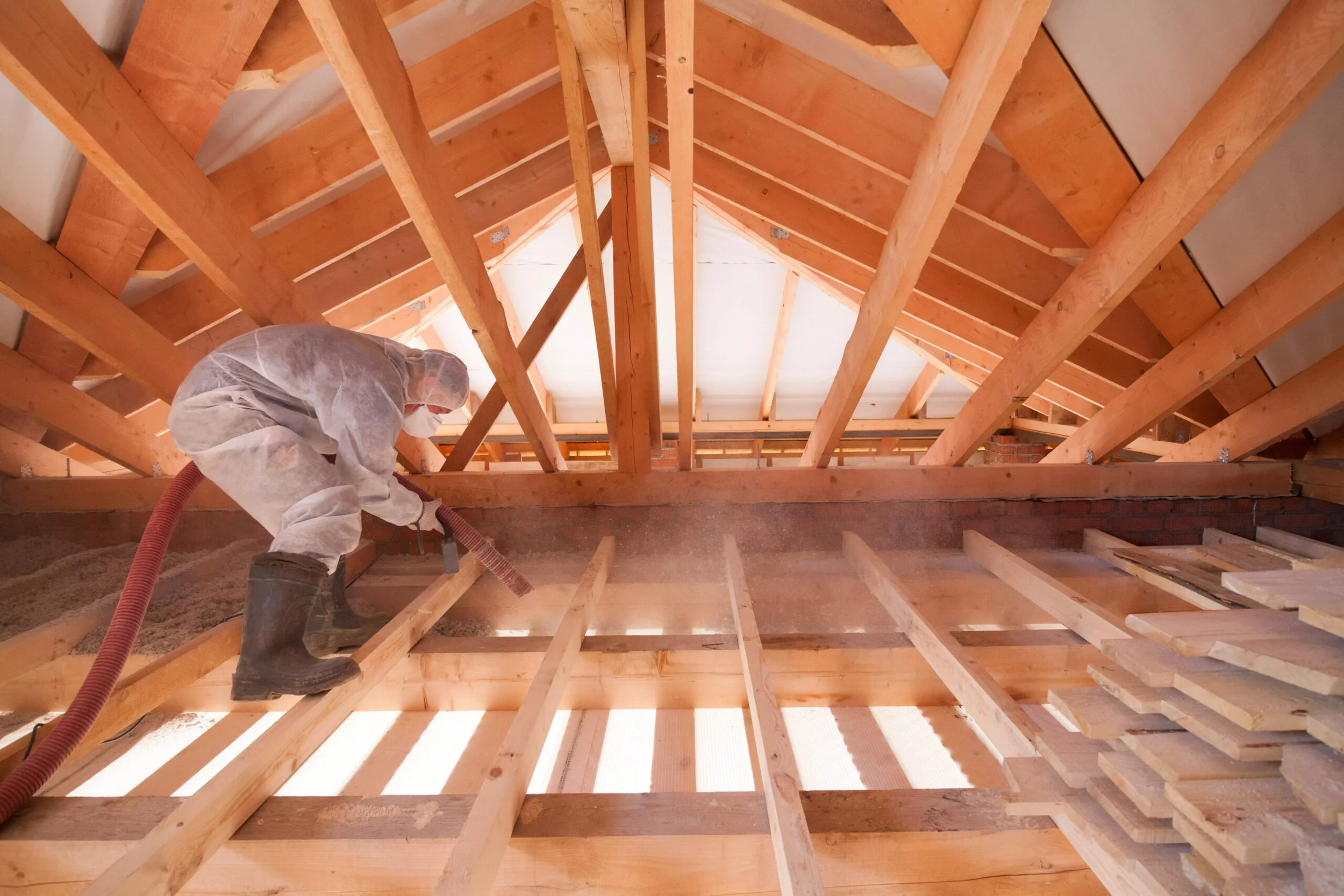
Foam Board Insulation for Long Island Homes
Foam board insulation is a rigid panel that works best where you need a firm, cut-to-fit surface — attic access hatches, storage platforms, kneewalls, and the areas around air-handling units. Unlike some loose-fill materials that settle over time, rigid foam board holds a steady insulating value in these spots.
We use foam board selectively — in the spots where a rigid, cut-to-size panel makes more sense than cellulose or spray foam.
How it works
Where Foam Board Insulation Works Best
Foam board comes in rigid panels that can be cut to fit specific spaces, then secured in place. Because it holds its shape, it's often used in areas that need to remain accessible or walkable, such as attic hatches, storage platforms built over insulation, and kneewalls in finished attic spaces.
It is also installed around unconditioned air-handling equipment and ductwork to provide a firm surface on which the insulation layer can rest to prevent its being compressed or disturbed.
Warning signs
Where Foam Board Insulation Delivers the Best Results
Foam board tends to make sense in specific spots rather than as coverage across an entire attic floor.
Attic access hatches and pull-down stairs
Areas around air-handling equipment
Storage platforms built over existing insulation
Basement rim joists in some applications
Kneewalls in finished attic spaces
Spaces needing a walkable or trimmable insulated surface
Our process
What Foam Board Insulation Can Do for Your Home
Area evaluation
We identify where a rigid, cut-to-fit material would perform better than cellulose or spray foam for that specific location.
Measuring and cutting
The foam board panels are then measured and cut to fit the access point, kneewall or platform being insulated.
Installation
Panels are secured in place and seams are sealed as needed to reduce air movement around the installed foam board.
Review
A walkthrough is conducted to review the completed work and any other insulation/air-sealing opportunities are identified.
Benefits
Key Benefits of Foam Board Insulation
Consistent, Non-Settling Coverage
Foam board holds its insulating value over time and doesn’t settle the way some loose-fill materials can.
Walkable and Trimmable
Foam board can support light-duty attic storage platforms and be cut to fit odd spaces and access openings.
Useful at Access Points
It’s a practical choice for attic hatches and kneewalls that need to stay accessible while still cutting energy loss.
Protective Layer for Equipment Areas
Foam board can help protect insulation and ductwork in unconditioned spaces near air-handling equipment.
Our Foam Board Installation Process and Timeline
Initial Home Inspection
We inspect the attic hatches, kneewalls, and equipment areas where a rigid, cut-to-fit panel will perform best.

Professional Foam Board Installation
We measure, cut, and secure the panels, then seal the seams to limit air movement around them.

Final Review and Cleanup
We walk the finished work, clean up, and point out any other insulation or air-sealing opportunities.
Our Other Insulation and Building-Envelope Services
-
Insulation Services
From attic to crawl space insulation, we provide customized insulation solutions that help Long Island homeowners lower energy bills and create a more comfortable home.
-
Air Sealing
Seal gaps around the house that allow both hot and cold air to escape or cool air to enter.
-
Blown-In Cellulose Insulation
For attics and hard to reach areas, dense-pack cellulose.
-
Duct Sealing
Replace or seal ductwork to ensure that conditioned air can enter the rooms where it is required.
-
Spray Foam Insulation
Air seal and insulate at the same time for difficult and irregular areas.
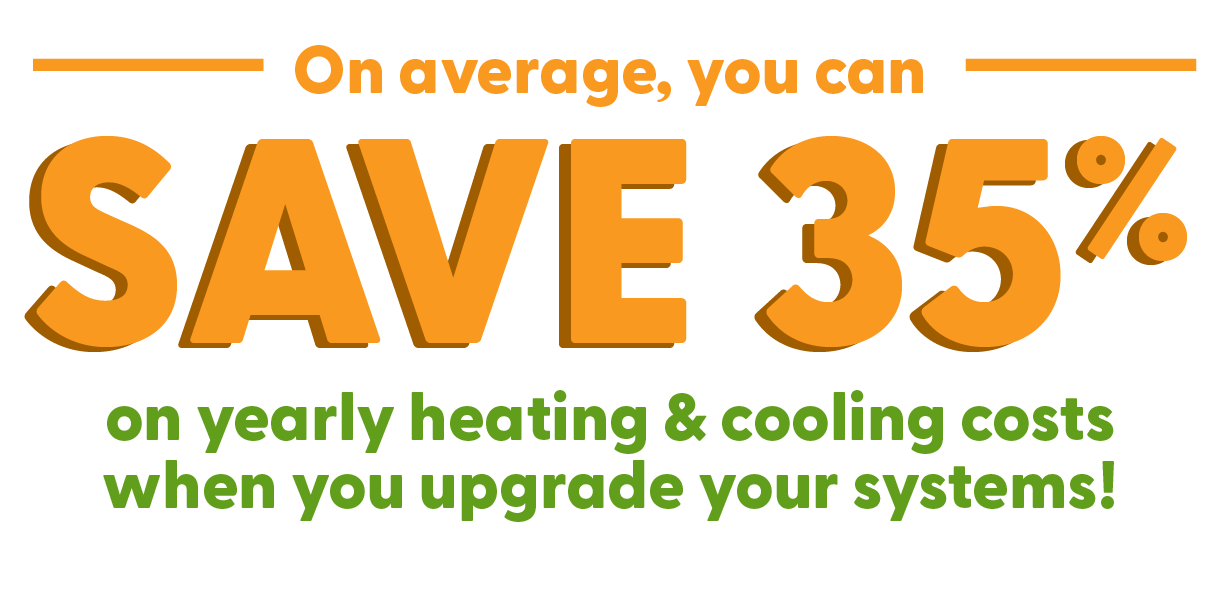
Take the guesswork out of home improvements-find solutions that will save money and improve indoor comfort. A free home energy assessment can tell you why your utility bills are on the rise. Plus you will receive a free room temperature and humidity gauge with your assessment.
Frequently Asked Questions
-
Foam board is widely used at attic access areas, storage platforms, kneewalls and around air-handling equipment, where a rigid, cut-to-fit material is advantageous.
-
They serve different purposes. Cellulose is typically used to insulate large, open attic floors, while foam board is used in specific spots that need to remain accessible, walkable, or protected, like hatches and platforms.
-
Yes, foam board can be used for insulating attic hatches and pull-down stairs, as it can be cut to fit and then fastened to the hatch or door.
-
Yes, sealing seams between foam board panels helps reduce air movement around the installed material and supports its overall performance.
-
Foam board products vary by type and typically require specific facing or covering in certain applications to meet fire-code requirements. Your installer should confirm the correct product and installation method for your specific use.