
Insulation Services for Long Island Homes
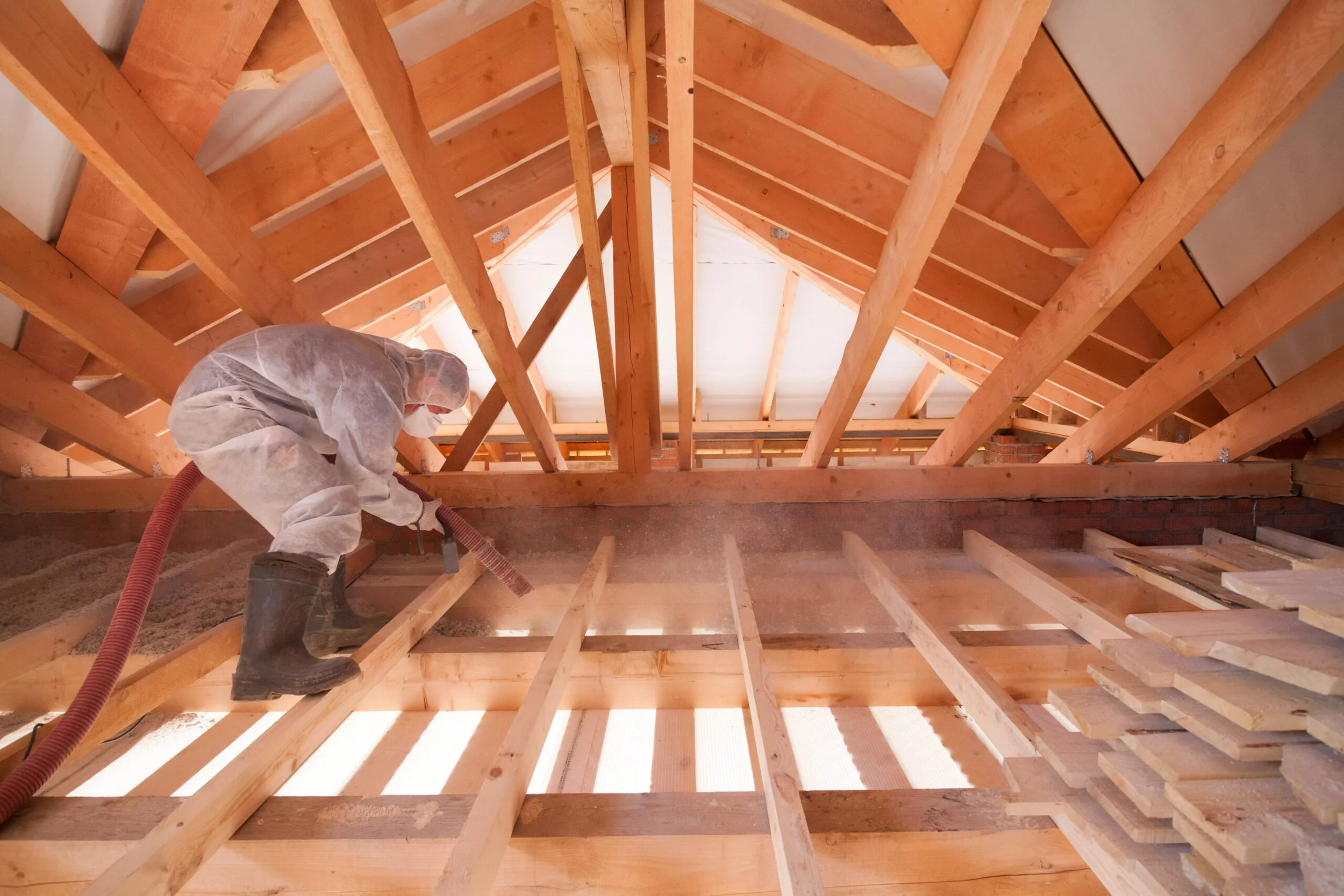
Insulation is one of the most direct ways to reduce how much heated or cooled air a Long Island home loses over the course of a year. As an insulation company Long Island homeowners can use for attic, wall, and crawlspace work, Home Efficiency Experts evaluates existing coverage before recommending a material and installation method.
We install blown-in cellulose, spray foam, and rigid foam board, choosing the right material for each area of the home from attic insulation to wall and crawlspace cavities rather than applying one approach everywhere.
How it works
How We Approach Insulation
Insulation performance depends on more than just the R-value printed on the packaging. Coverage gaps, compressed material, moisture, and air leakage happening around the insulation can all reduce how well it actually performs in your home.
Before recommending a material, our team looks at the areas losing the most heat or cooling, the accessibility of the space, and how the insulation will interact with air sealing, ventilation, and existing building materials.
Warning signs
Signs Your Home May Be Underinsulated
Insulation issues aren't always visible from inside living spaces. These are common indicators worth having assessed.
Attic insulation that looks thin, uneven, or compressed
Noticeably higher heating or cooling bills than similar homes
Ice damming along the roof edge in winter
Walls or ceilings that feel cold to the touch in winter
Rooms above the garage or over crawlspaces that feel colder
A home built before insulation codes were updated
Our process
What to Expect From Our Insulation Services
Home evaluation
We assess existing insulation levels, accessibility, and any related air-leakage or moisture concerns before recommending a material.
Material recommendation
Based on the area and goals, we recommend cellulose, spray foam, foam board, or a combination suited to that part of the home.
Installation
Our team installs the insulation according to manufacturer specifications and applicable building codes.
Verification
Where applicable, we review coverage and discuss any related air-sealing work that may improve overall performance.
Benefits
What Proper Insulation Can Help With
More Even Temperatures
Consistent insulation coverage can reduce the temperature swings that make some rooms feel colder or hotter than others.
Reduced HVAC Workload
When insulation is holding conditioned air in, heating and cooling equipment may not need to run as often to maintain a set temperature.
Moisture and Condensation Support
Properly installed insulation, paired with adequate ventilation, can help manage the risk of condensation in attics and other spaces.
Long-Term Material Options
Cellulose, spray foam, and foam board each offer different service life, fire-resistance, and moisture characteristics depending on where they're installed.
Our Insulation Installation Process and Timeline
Initial Home Inspection
We inspect the home and pinpoint the attic, wall, and crawlspace areas where insulation coverage is thin, uneven, or missing.

Professional Insulation Installation
We install the recommended material cellulose, spray foam, or foam board to the right depth and density for each space.

Final Review and Cleanup
We verify coverage, tidy the work area, and walk you through any air-sealing steps that would round out the results.
Our Other Insulation and Building-Envelope Services
-
Air Sealing
Close the gaps that let conditioned air escape and outdoor air in.
-
Blown-In Cellulose Insulation
Dense-pack cellulose for attics and hard-to-reach cavities.
-
Duct Sealing
Seal leaking ductwork so conditioned air reaches the rooms that need it.
-
Spray Foam Insulation
Air seal and insulate in one step for hard-to-reach or irregular spaces.
-
Foam Board Insulation
Rigid insulation for attic access points, kneewalls, and equipment areas.
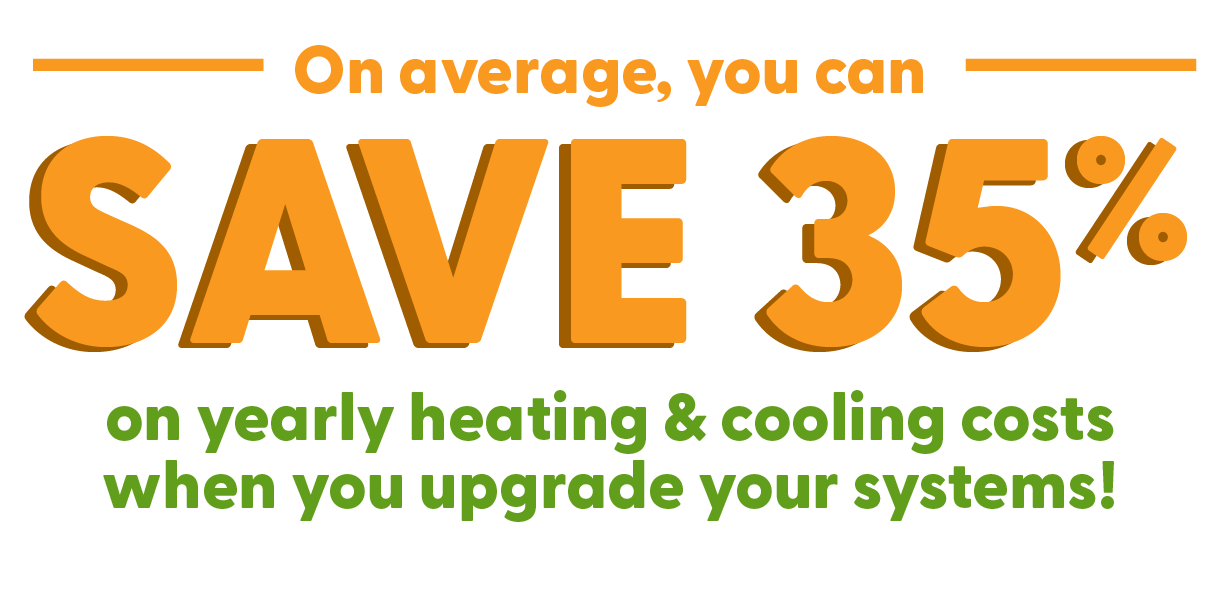
Take the guesswork out of home improvements-find solutions that will save money and improve indoor comfort. A free home energy assessment can tell you why your utility bills are on the rise. Plus you will receive a free room temperature and humidity gauge with your assessment.
Frequently Asked Questions
-
It depends on the condition, access and construction of the attic. Typically, blown-in cellulose or spray foam/foam board is used in open attic floors, and the spray foam/foam board is used around access points, around kneewalls, or around odd framing. You can find out the best mix for your house through an assessment.
-
If you notice ice damming, uneven temperatures in the home, high energy bills, and/or noticeably thin attic insulation, it may be time for extra coverage. A home energy assessment can actually determine the level of insulation in place.
-
No. Insulation prevents heat from moving, air sealing prevents air from moving through gaps and cracks. The combination of both is usually the best approach, as air leakage can compromise even the best insulated spaces.
-
Some Long Island homeowners may qualify for utility or state-sponsored rebates and incentive programs. Eligibility depends on the property, project scope, and current program requirements.
-
Installation time depends on the size of the area, the insulation material, and accessibility. Many attic insulation projects can be completed in a single day, while larger or more complex installations may require additional time.