
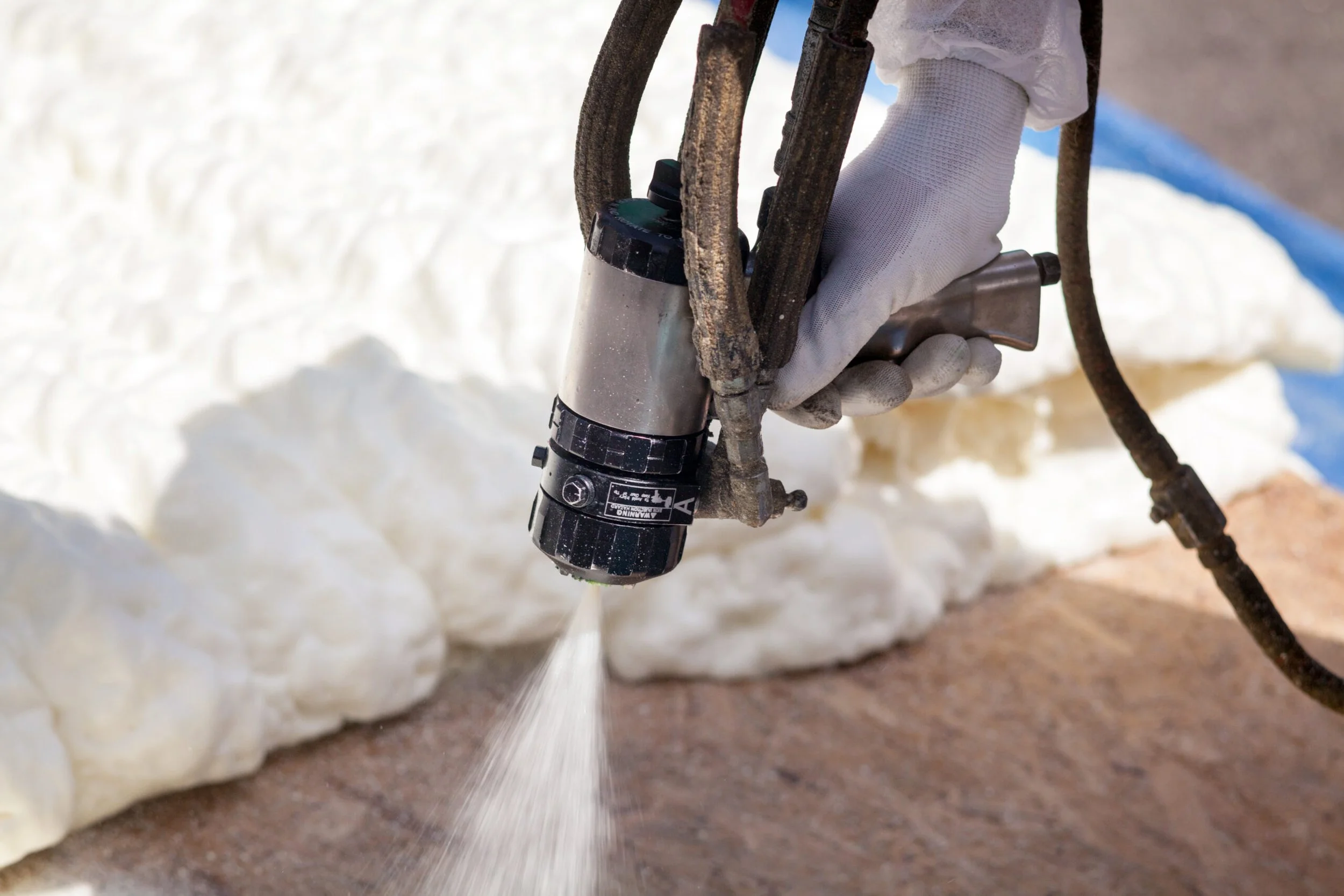
Spray Foam Insulation in Long Island, NY
Improve your home's comfort and energy efficiency with professional spray foam insulation services in Long Island, NY. Reduce drafts, improve indoor temperature control, and minimize unwanted heat loss with insulation solutions tailored to your home's needs.
Spray Foam Insulation for Better Home Comfort and Energy Efficiency
Spray foam insulation combines thermal protection and air sealing in one application. By expanding to fill gaps and openings, it helps reduce unwanted airflow and heat transfer, making your home more comfortable throughout the year.
As a local spray foam insulation contractor serving Long Island, Home Efficiency Experts provides insulation recommendations based on your home's construction, existing insulation, and energy efficiency needs. Our goal is to help reduce energy waste, improve indoor comfort, and support lasting insulation performance.
What Is Spray Foam Insulation?
Spray foam insulation is a polyurethane-based material applied as a liquid that expands and hardens into an insulating foam. It fills gaps and cavities, helping reduce heat transfer and air leakage in treated areas.
There are two main types of spray foam insulation:
Open-Cell Spray Foam: A lightweight, flexible insulation material commonly used in suitable interior walls and roof assemblies. It provides thermal insulation and sound absorption but is generally more permeable to moisture vapor.
Closed-Cell Spray Foam: A denser, rigid insulation material that provides higher thermal resistance per inch. It can also offer vapor resistance when applied at the appropriate thickness, making it useful for certain attic, crawl space, and rim joist applications.
Our team evaluates your home's requirements to help determine which insulation option is appropriate.
Benefits of Spray Foam Insulation
Professional spray foam insulation installation can improve your home's thermal performance and reduce uncontrolled airflow.
Improved Energy Efficiency: Helps reduce heat transfer and air leakage, potentially lowering heating and cooling energy consumption.
Effective Air Sealing: Expands to seal gaps and openings that contribute to drafts and energy loss.
Better Indoor Comfort: Helps maintain more consistent temperatures throughout the home.
Moisture Control Support: Can reduce moisture movement caused by air leaks. Certain closed-cell products also provide vapor resistance when properly installed.
Reduced Noise Transmission: May help limit sound transmission through treated walls and building cavities.
Long-Lasting Performance: Provides durable insulation when correctly installed and protected from damage.
With the right insulation approach, Long Island homeowners can improve comfort while supporting their home's overall energy performance.
Where to Install Spray Foam Insulation
Spray foam insulation can be applied in several areas where air leakage or inadequate insulation affects home comfort. At Home Efficiency Experts, we assess your property to identify suitable locations for installation.
Attics
Attics are a common source of unwanted heat loss and air leakage. Spray foam insulation can seal gaps around plumbing penetrations, wiring openings, and framing connections to help reduce drafts and improve energy efficiency.
In certain homes, spray foam may also be installed along the roof slope when the building assembly is suitable for this approach.
Rim Joists
Rim joists, located where the foundation meets the floor framing, are often poorly insulated and can allow outdoor air to enter the home.
Applying spray foam insulation to suitable rim joist areas helps reduce air leakage and heat transfer, improving comfort in basements and the rooms above them.
Frozen Pipe Prevention
Pipes located in unconditioned areas, such as crawl spaces and attic knee walls, may be exposed to freezing temperatures during Long Island winters.
Spray foam insulation can help reduce cold air infiltration around these areas and provide additional thermal protection. However, proper pipe placement, heating, and overall building conditions remain important for preventing frozen pipes.
Spray Foam Insulation vs. Traditional Insulation
Spray foam, cellulose, fiberglass, and rigid foam board each have different advantages. The best choice depends on the installation area, budget, and condition of the home.
| Insulation Type | Main Advantages | Important Considerations |
|---|---|---|
| Spray Foam | Provides thermal insulation and air sealing in properly installed applications | Higher initial cost; requires specialized installation and safety precautions |
| Cellulose | Useful for many attic and wall applications; can improve thermal performance | Typically requires a separate air-sealing strategy |
| Fiberglass | Widely available and suitable for many accessible cavities | Installation quality and air leakage control affect performance |
| Foam Board | Provides continuous insulation in suitable assemblies | Seams, joints, and penetrations require appropriate detailing |
At Home Efficiency Experts, we evaluate your home's needs before recommending an insulation approach.
For some properties, cellulose insulation combined with targeted air sealing may offer better value. For others, spray foam may be beneficial because of limited cavity space or complex air-leakage locations.
The objective is to select an appropriate solution rather than apply one material throughout every part of the home.
Two-in-One Spray Foam Insulation and Air Sealing Solution
At Home Efficiency Experts, we use spray foam insulation to address suitable areas where both heat transfer and air leakage contribute to energy loss.
As spray foam expands, it seals many gaps and openings while creating an insulating layer. This combination helps reduce drafts, limit unwanted heat movement, and improve indoor comfort.
By addressing insulation and air sealing together, we help Long Island homeowners achieve better thermal performance in the treated areas of their homes.
Spray Foam Insulation Applications
Our spray foam insulation services are suitable for selected areas of residential properties, including attics, crawl spaces, rim joists, and accessible wall cavities.
Each application is planned around the home's existing conditions, insulation needs, and applicable building requirements. We focus on treating areas where improved insulation and air sealing can contribute to better comfort and energy efficiency.
See What Our Clients Are Saying:
Ready to Improve Your Home's Efficiency?
Contact Home Efficiency Experts for a thorough home assessment or to book your service.
Our Spray Foam Insulation Installation Process and Timeline

Initial Home Inspection
We assess your home's insulation needs and identify areas where spray foam installation may improve thermal performance and air sealing.

Professional Foam Application
We prepare the designated areas and apply suitable spray foam insulation according to product specifications and installation requirements, including appropriate ventilation and curing precautions.

Final Review and Cleanup
We review the treated areas for proper coverage, complete the cleanup, and explain any remaining ventilation or safe re-entry requirements.
Save More With Energy-Efficient Home Upgrades

Take the guesswork out of home improvements-find solutions that will save money and improve indoor comfort. A free home energy assessment can tell you why your utility bills are on the rise. Plus you will receive a free room temperature and humidity gauge with your assessment.
Frequently Asked Questions
-
We recommend spray foam insulation when a home needs effective air sealing and thermal protection in suitable building areas. It can be especially useful for sealing gaps and insulating spaces where conventional materials may be difficult to install.
-
Spray foam is applied as a liquid that expands and hardens, filling gaps, joints, and openings. Once properly installed, it helps reduce unwanted airflow through the treated building cavities.
-
Spray foam can help limit moisture movement through air leaks. Certain closed-cell products also provide vapor resistance at appropriate thicknesses. However, existing leaks, drainage problems, and other moisture sources must be addressed separately.
-
Common applications include attics, basement rim joists, crawl spaces, and accessible wall cavities. The most appropriate installation areas depend on your home's construction, existing insulation, and air leakage conditions.
-
Our installation process includes assessing the property, preparing suitable application areas, applying spray foam according to product requirements, and reviewing the completed work for coverage and installation quality.