
Spray Foam Insulation for Long Island Homes
Spray foam expands to fill gaps and irregular spaces that are difficult to insulate with batt or blown-in materials. Because it seals as it insulates, it's often used in areas where air leakage and insulation gaps occur in the same location, such as rim joists, sill plates, and irregular framing.
We use spray foam insulation selectively, in the areas where its air-sealing and insulating properties provide a clear advantage over other materials.
How it works
How Spray Foam Insulation Works
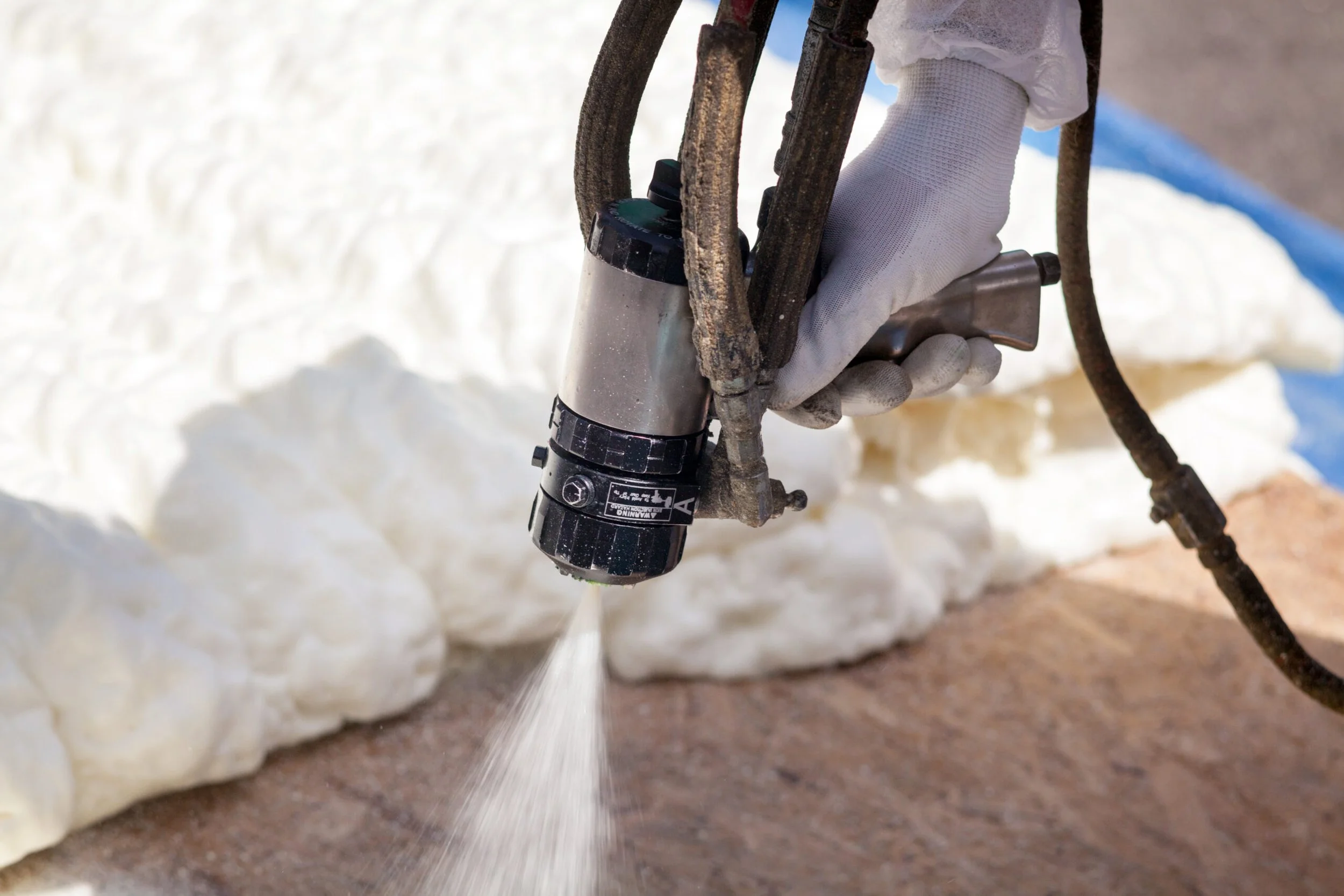
Spray foam is applied as a liquid that expands and cures in place, conforming tightly to the surface it's applied to. This allows it to fill gaps around framing, penetrations, and irregular surfaces that are difficult to seal with other materials.
Spray foam is often the go-to in spots where heat loss and air leakage happen in the same place — rim joists, sill plates, and around attic penetrations.
Warning signs
Where Spray Foam Is Often Used
Spray foam tends to make the most sense in specific, targeted areas rather than as a blanket solution for the whole home.
Rim joists and sill plates in the basement
Around plumbing, wiring, and duct penetrations
Irregularly shaped attic spaces and framing
Cathedral ceilings with limited insulation depth
Areas with both air leakage and insulation gaps
Additions or renovations with limited cavity access
Our process
What Spray Foam Insulation Can Do for Your Home
Area evaluation
We identify the specific gaps, cavities, or penetrations where spray foam offers a clear advantage over other insulation materials.
Prep and protection
We check clearances around electrical and combustion equipment and protect the surrounding surfaces before applying any foam.
Application
Spray foam is applied onto the areas to be filled, expanding to fill the gaps and to match the irregular surfaces.
Trim and review
Excess cured foam is trimmed as needed, and we review the completed work with you.
Benefits
How Spray Foam Insulation Improves Energy Efficiency
Combined Air Sealing and Insulation
Because it expands and conforms to surfaces, spray foam can address air leakage and insulation gaps in the same application.
Effective in Irregular Spaces
Spray foam can reach gaps around framing, penetrations, and uneven surfaces that are difficult to insulate with batt or blown-in materials.
Holds Its Shape Once Cured
Once cured, spray foam holds its shape and doesn't settle the way some loose-fill materials can over time.
Targeted, Not Blanket Use
Spray foam is typically most cost-effective when used in specific problem areas rather than across an entire attic or wall system.
Our Spray Foam Insulation Installation Process and Timeline

Initial Home Inspection
We inspect homes identifying areas needing spray foam insulation installation improvements.

Professional Foam Application
We apply spray foam carefully ensuring complete coverage and sealing performance.

Final Review and Cleanup
We complete final inspections ensuring quality installation and clean project completion.
Other Insulation and Building-Envelope Services
-
Insulation Services
From attic to crawl space insulation, we provide customized insulation solutions that help Long Island homeowners lower energy bills and create a more comfortable home.
-
Air Sealing
Close the gaps that let conditioned air escape and outdoor air in.
-
Blown-In Cellulose Insulation
Dense-pack cellulose for attics and hard-to-reach cavities.
-
Duct Sealing
Seal leaking ductwork so conditioned air reaches the rooms that need it.
-
Foam Board Insulation
Rigid insulation for attic access points, kneewalls, and equipment areas.

Take the guesswork out of home improvements-find solutions that will save money and improve indoor comfort. A free home energy assessment can tell you why your utility bills are on the rise. Plus you will receive a free room temperature and humidity gauge with your assessment.
Frequently Asked Questions
-
It depends on the location. Spray foam is well-suited to irregular spaces and areas that need both air sealing and insulation, but it isn't always the most practical or cost-effective choice for large, open areas like an attic floor.
-
When installed correctly by a trained applicator, spray foam is a widely used and accepted insulation material. Proper ventilation during application and adherence to manufacturer specifications are important for safety.
-
Spray foam is a durable material that typically doesn't settle or degrade significantly over time when installed correctly and kept dry.
-
Yes, in accessible areas such as basements, rim joists, and open attic spaces. Spray foam use inside finished, enclosed wall cavities is more limited and depends on access.
-
Spray foam is generally more expensive per square foot than materials like cellulose or fiberglass, which is part of why it's typically used in targeted areas rather than across an entire home.