
Can New Insulation Improve Indoor Air Quality by Reducing Outdoor Pollutants?
Most homeowners upgrade insulation to lower energy bills & stay comfortable through extreme temperatures. What few people realize is that the same upgrade can meaningfully change what’s in the air they breathe every day inside their home.
Outdoor pollutants, including dust, pollen, vehicle exhaust, PM2.5 particulates, & radon gas, enter homes continuously through gaps, cracks, and poorly sealed building envelopes. Many homeowners dealing with allergy symptoms, musty odors, or persistent respiratory irritation focus on air purifiers and filters without addressing the building itself. Insulation, when properly selected & installed, addresses the problem at the source by reducing how much outdoor air and the pollutants it carries can enter the living space in the first place.
How Outdoor Pollutants Enter Your Home Through the Building Envelope
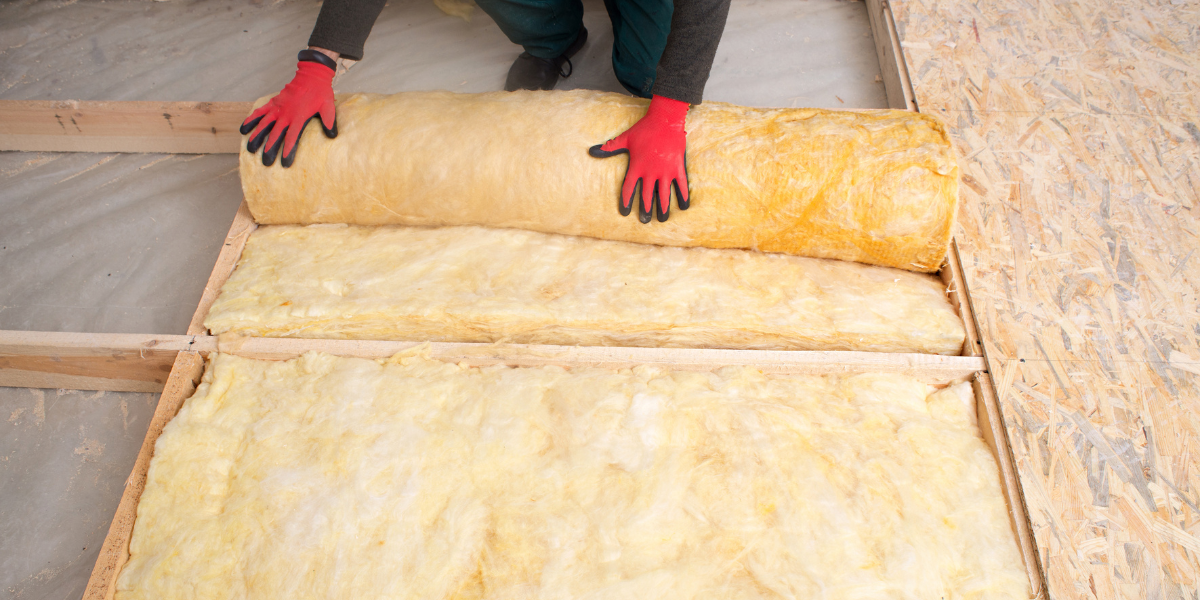
Homes are not sealed structures. Air moves constantly through gaps around windows, doors, electrical outlets, plumbing penetrations, attic hatches, and unsealed ceiling assemblies. Every one of those pathways is also an entry point for whatever’s in the outdoor air.
Outdoor pollutants that travel through these gaps include PM2.5 and PM10 particulate matter, pollen, vehicle exhaust, industrial emissions, & ground-level radon gas. Radon deserves specific attention because it enters primarily through foundation cracks and unsealed crawlspace floors; it’s odorless and invisible, and it’s the second most common cause of lung cancer in the United States.
The rate at which outdoor air enters a home is measured as air changes per hour. Most older homes have a high air change rate, which sounds like good ventilation but actually means a continuous stream of unfiltered outdoor air moving through every hour. Air purifiers and filtration systems treat air that’s already inside. They can’t address the continuous flow of new outdoor pollutants entering through the building shell.
Ready to Improve Your Home's Efficiency?
Contact Home Efficiency Experts for a thorough home assessment or to book your service.
Get A Free Home AssessmentHow New Insulation Reduces Outdoor Pollutant Infiltration
Insulation as a continuous air barrier
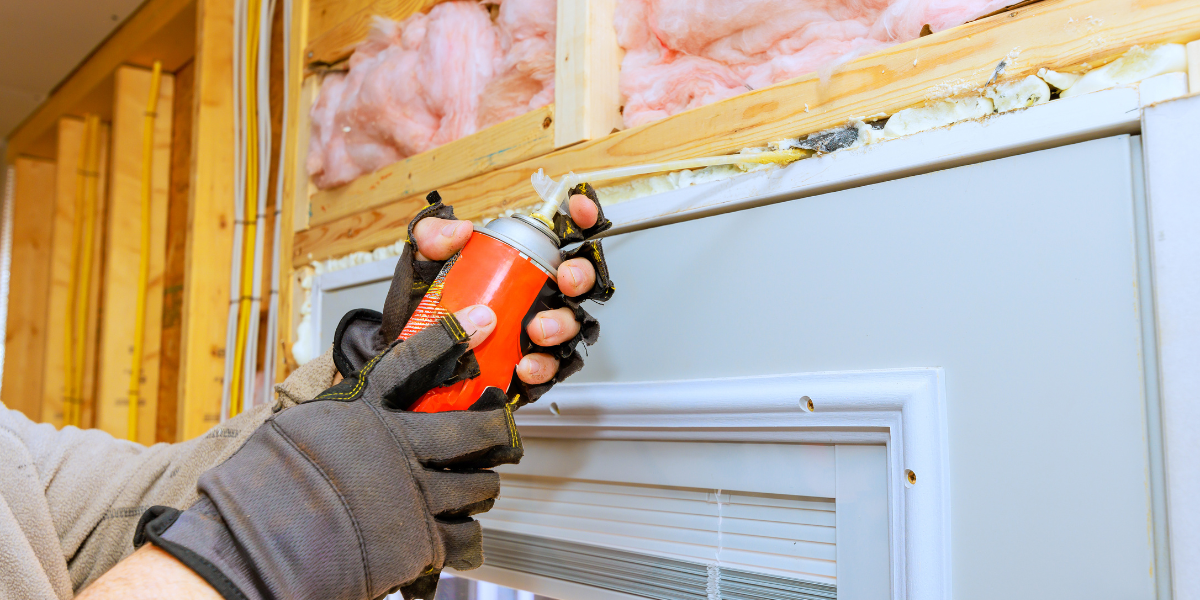
Insulation that acts as a continuous air barrier is significantly more effective at reducing pollutant infiltration than insulation that simply fills cavities without sealing gaps.
Closed-cell spray foam insulation adheres directly to surrounding surfaces while it cures, sealing the application area as it insulates. This makes it one of the most effective combined insulation & air barrier materials available. Foam board insulation applied continuously across exterior walls or under roof decking eliminates thermal bridging and provides a surface seal that reduces infiltration at the structural level.
Ceiling insulation matters here more than most homeowners expect. Attic air infiltrates living spaces constantly through light fixtures, attic hatches, HVAC penetrations, & unsealed top plates. Properly sealed and insulated ceiling planes cut off this pathway significantly. The result is a meaningful reduction in PM2.5, PM10, pollen, & airborne particles that would otherwise ride attic air currents into your living spaces.
Moisture control and mold prevention
Properly installed insulation prevents condensation from forming inside wall & ceiling assemblies. Condensation is the primary driver of mold and mildew growth inside homes, and both are significant respiratory irritants that affect indoor air quality long before visible mold appears on surfaces.
Insulation that manages moisture correctly keeps assemblies dry & eliminates the conditions mold needs to establish. This is particularly relevant in climates with significant seasonal humidity shifts, where the temperature differential between indoor and outdoor air creates consistent condensation risk inside wall cavities.
Radon reduction through foundation and basement insulation
Insulating and sealing the basement perimeter, crawlspace, & foundation penetrations reduces the pathways through which radon enters. This alone isn’t a complete radon mitigation strategy. Homes with confirmed elevated radon levels should also install a dedicated sub-slab depressurization system. But improved building envelope insulation and air sealing do reduce entry as part of a comprehensive approach.
Ready to Improve Your Home's Efficiency?
Contact Home Efficiency Experts for a thorough home assessment or to book your service.
Get A Free Home AssessmentThe Tradeoff: Why a Tighter Home Requires Intentional Ventilation
Here’s the nuance that most insulation content skips: tightening your home reduces outdoor pollutant infiltration but simultaneously reduces the natural air exchange that dilutes indoor-generated pollutants.
Cooking, cleaning products, furniture off-gassing, personal care products, & combustion appliances all release pollutants inside the home. Older, leaky homes dilute these continuously through uncontrolled air exchange. That accidental dilution disappears in a properly insulated and air-sealed home.
The EPA identifies source control & ventilation as the primary indoor air quality strategies after building envelope improvements. Exhaust fans in kitchens and bathrooms remove pollutants at the source before they spread. These become more important, not less, after insulation and air sealing work.
A mechanical ventilation system delivers a controlled, continuous exchange of fresh air without the energy waste of uncontrolled infiltration. This is how a properly upgraded home gets better air quality in both directions: less outdoor pollution coming in & more controlled removal of indoor-generated pollutants.
Choosing Insulation Materials With Indoor Air Quality in Mind
Spray foam insulation and VOC considerations.
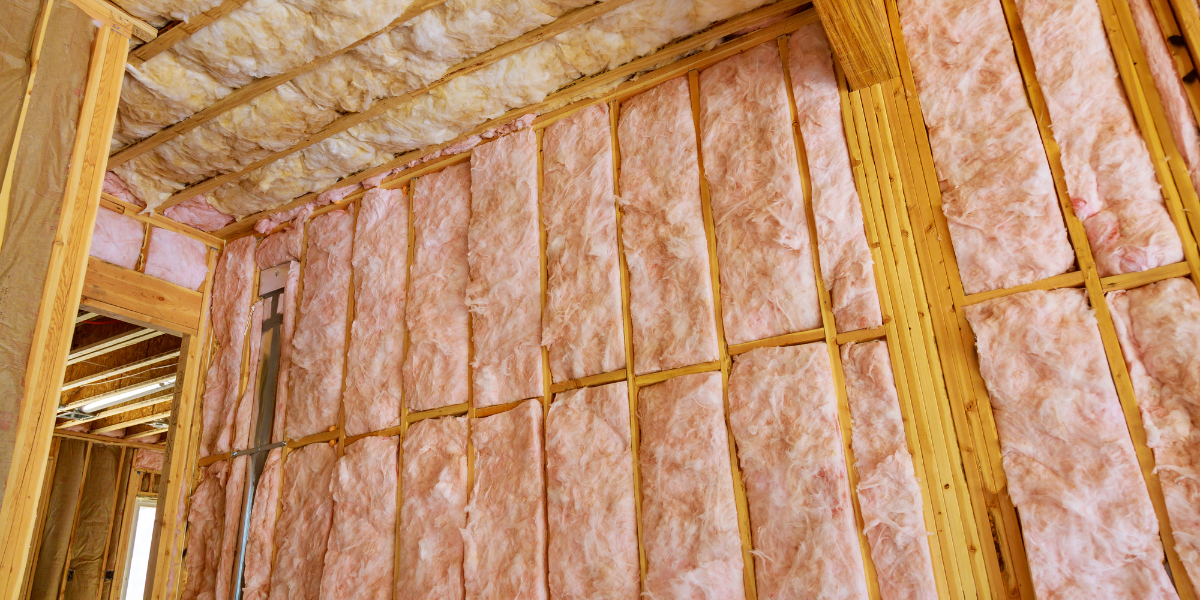
Closed-cell spray foam insulation provides excellent air sealing and moisture control, but the on-site chemical reaction during installation produces VOCs. After the curing period, properly installed closed-cell spray foam is inert and doesn’t continue off-gassing. Professional installation with adequate ventilation during and after application protects indoor air quality during the installation phase.
Foam board insulation as a low-disturbance option
Foam board insulation arrives at the site already factory-cured. There’s no on-site chemical reaction & minimal VOC exposure during installation. Polyisocyanurate and extruded polystyrene boards are both used for continuous exterior insulation and interior basement applications. Combined with appropriate air sealing at seams and edges, foam board provides a strong, continuous barrier against outdoor pollutant infiltration.
Cellulose and mineral wool for low-emission applications
Cellulose insulation is constructed of recycled paper products that are treated with borate-based fire retardants and carries very low VOC emissions. Mineral wool (also rock wool or slag wool) is naturally non-combustible, moisture-resistant, & a strong option for occupants with chemical sensitivities. Both materials fill cavities effectively but require additional air sealing since they don’t function as inherent air barriers the way spray foam and foam board do.
Ready to Improve Your Home's Efficiency?
Contact Home Efficiency Experts for a thorough home assessment or to book your service.
Get A Free Home AssessmentAir Sealing, Duct Sealing, and Insulation Working Together
Air sealing addresses the specific gaps that insulation alone cannot reach: electrical outlets, plumbing penetrations, attic hatches, recessed lights, & top plate connections. Without it, even excellent cavity insulation leaves multiple infiltration pathways that outdoor pollutants continue to use.
Duct sealing is specifically relevant to indoor air quality because leaky ductwork pulls air from attics, crawlspaces, & wall cavities into the supply air stream. Attic air and crawlspace air frequently contain dust, mold spores, insulation particles, and other contaminants. When ducts leak in these spaces, every HVAC cycle distributes those contaminants through the living area.
The combination of insulation, air sealing, & duct sealing produces a building envelope that reduces outdoor pollutant infiltration and prevents HVAC-distributed indoor contamination simultaneously.
Signs Your Home’s Insulation May Be Contributing to Air Quality Problems

Dust accumulates quickly on surfaces shortly after cleaning, indicating high air infiltration through the building envelope.
Allergy symptoms worsen at home despite good outdoor air quality, suggesting outdoor allergens are entering through unsealed areas.
Musty odors appear near exterior walls or in specific rooms, pointing to moisture accumulation and mold inside wall assemblies.
Certain rooms are consistently harder to heat or cool, often indicating compromised insulation or air sealing that also allows outdoor air in.
Energy bills are higher than expected, alongside ongoing air quality complaints, frequently pointing to a building envelope that needs both insulation and air sealing attention.
A home energy assessment that includes blower door testing provides a measured baseline for how much uncontrolled air is entering and where the primary infiltration points are located. That data drives a much more effective improvement plan than guesswork.
Ready to Improve Your Home's Efficiency?
Contact Home Efficiency Experts for a thorough home assessment or to book your service.
Get A Free Home AssessmentWhy Choose Home Efficiency Experts for Insulation and Indoor Air Quality
Home Efficiency Experts works with homeowners who want building envelope improvements that address both energy performance and indoor air quality together because the two are directly connected.
The team provides professional installation across all relevant insulation types, including spray foam insulation, foam board insulation, & cellulose, alongside air sealing & duct sealing services that complete the building envelope rather than leaving gaps that undermine the insulation work. Every project starts with a home energy assessment that identifies where infiltration is happening, how significant the air leakage rate is, and which improvements will produce the greatest measurable impact.
Home Efficiency Experts also helps homeowners navigate available rebates & incentives that offset the cost of insulation upgrades, making the decision easier to move forward with. The combination of professional assessment, targeted installation, & financial guidance is what separates a genuine building performance improvement from a single-product upgrade that leaves the underlying problem partially unaddressed.
If your home has persistent dust, allergy concerns, musty odors, or rooms that can’t stay comfortable, the building envelope is worth evaluating.
Insulation Improves Air Quality
Reduces outdoor pollutant infiltration by strengthening the building envelope.
Best Insulation Types
Spray foam and foam board provide strong air barrier performance.
Ventilation Is Required
Tighter homes need ERV/HRV systems to maintain healthy air balance.
Air Sealing Matters
Air sealing and duct sealing prevent hidden contamination pathways.
Low-VOC Materials
Cellulose and mineral wool reduce chemical exposure risk.
Home Energy Assessment
Identifies leakage points and optimizes insulation strategy.
Conclusion
New insulation does improve indoor air quality, but the mechanism is more specific than most homeowners expect. It works by reducing the uncontrolled entry of outdoor pollutants through the building envelope, managing moisture to prevent mold, & limiting radon pathways through foundation and crawlspace areas. The full benefit comes when insulation is paired with air sealing and duct sealing, which close the specific gaps & duct leakage points that insulation alone can’t address.
The tradeoff of a tighter home is real, and it matters. Intentional mechanical ventilation through an ERV or HRV replaces accidental air dilution with controlled fresh air exchange, giving you the best of both outcomes: fewer outdoor pollutants coming in & reliable removal of indoor-generated ones.
If improving your home’s air quality and energy performance are both priorities, the building envelope is the right place to start. A professional home energy assessment gives you the data to make those improvements in the right order and for the right reasons.
Contact us today to schedule a home energy assessment online to find out exactly where your home is losing efficiency and letting outdoor pollutants in.
Frequently Asked Questions
Can new insulation actually improve indoor air quality?
Yes, but with an important condition. New insulation reduces the entry of outdoor pollutants by improving the building envelope, but it also reduces natural air exchange. To achieve genuine indoor air quality improvement, insulation should be paired with air sealing & a controlled mechanical ventilation strategy like an ERV or HRV that provides fresh air without uncontrolled infiltration.
Which insulation type is best for reducing outdoor pollutants?
Insulation types that function as continuous air barriers provide the strongest reduction in outdoor pollutant infiltration. Closed-cell spray foam insulation seals surfaces as it insulates, & foam board insulation applied continuously across walls or roof decking eliminates thermal bridging & infiltration pathways. Cavity-fill materials like fiberglass batts improve thermal performance but require separate air sealing to address pollutant entry.
Does insulation help with radon reduction?
Insulating and sealing the foundation perimeter, basement, and crawlspace reduces the pathways through which radon enters. This is a useful part of a comprehensive building envelope improvement, but it is not a standalone radon mitigation strategy. Homes with confirmed elevated radon levels should install a dedicated sub-slab depressurization system in addition to improving building envelope insulation and air sealing.
Can insulation cause indoor air quality problems?
Some insulation materials release VOCs during & shortly after installation. Closed-cell spray foam insulation involves a chemical reaction during application that requires proper ventilation and adequate curing time before the space is reoccupied. After curing, properly installed spray foam is inert. Low-VOC alternatives like cellulose and mineral wool produce minimal off-gassing and are strong options for occupants with chemical sensitivities.
What is the connection between duct sealing and indoor air quality?
Leaky ducts in attics, crawlspaces, or wall cavities pull air from those unconditioned spaces into the supply air stream, distributing dust, mold spores, insulation particles, and other contaminants through the living area with every HVAC cycle. Duct sealing closes these leaks and prevents HVAC-distributed contamination from entering the home’s breathing air.
How does a home energy assessment relate to indoor air quality?
A professional home energy assessment includes blower door testing, which measures how much uncontrolled air is entering the home and identifies where the primary infiltration points are located. This gives homeowners a measured baseline before planning insulation, air sealing, or ventilation improvements, and helps prioritize where work will have the greatest impact on both energy performance and indoor air quality.