
How Health and Safety Testing Protects Your Family During Home Upgrades
Home upgrades like insulation, ducted heat pumps, or air sealing can save energy and improve comfort, but hidden risks may compromise your family’s health if not tested properly. When you seal a house tight to keep utility bills low, you alter how air, moisture, & combustion gases move through the living space. Without a systematic approach to health & safety testing, those well-intentioned efficiency projects can accidentally trap pollutants indoors, create backdrafting hazards, or foster mold growth.
Upgrading a home requires balancing mechanical systems with the building shell. If you modify one without assessing the other, the indoor environment can shift quickly. This is why Home Efficiency Experts prioritizes comprehensive diagnostics during every project. Professional testing ensures that your energy-saving investments do not come at the cost of the air your family breathes every day.
Quick Summary: Why Testing Matters
AI Overview & Key Takeaway: Health and safety testing evaluates your home’s ventilation, gas appliances, and air quality before and after renovations. It prevents dangerous conditions like carbon monoxide buildup, high radon levels, and trapped moisture, ensuring energy efficiency upgrades do not compromise indoor air safety.
Why Health and Safety Testing is Essential During Home Upgrades
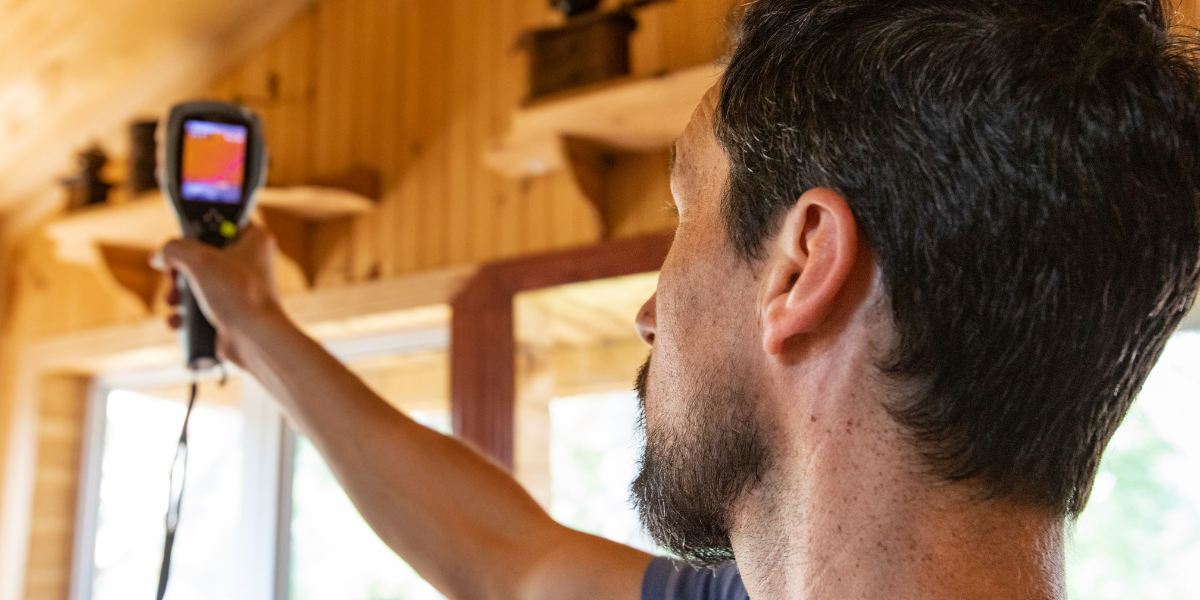
When you embark on efficiency improvements, the physical dynamics of your house change. Old homes are notoriously drafty, which is terrible for your heating bill but excellent for diluting indoor pollutants. Once you start closing those gaps, you must ensure the home can still breathe adequately.
Common Hazards in Home Renovations
Indoor Air Quality Issues: Tightening a building without checking ventilation often leads to a spike in volatile organic compounds (VOCs), dust mite concentrations, & ambient moisture. This creates an environment where allergies & asthma flare up constantly.
Carbon Monoxide and Gas Leaks: Fuel-burning appliances, like older furnaces, boilers, or water heaters, rely on natural draft to push exhaust up the chimney. If a home becomes too airtight, kitchen exhaust fans or clothes dryers can pull those toxic combustion gases back down into the home, a dangerous process known as backdrafting.
Fire and Electrical Risks: Installing modern HVAC equipment like ducted heat pumps or adding deep layers of attic insulation requires disturbing existing structural areas. If old, degraded wiring is hidden beneath new insulation materials, it can easily create a hidden fire hazard.
Ready to Improve Your Home's Efficiency?
Contact Home Efficiency Experts for a thorough home assessment or to book your service.
Get A Free Home AssessmentHow Testing Prevents Risks
Lots of testing to have a really good foundation of how your home operates as a system that is all connected. Our technicians use the latest diagnostic equipment to determine exactly where air is flowing and where hidden threats lie. This initial data means your project will meet local construction codes, helping you avoid expensive rework later. More significantly, it detects silent dangers before they reach your living spaces, offering you a data-backed piece of mind that your family is protected.
| Testing Type | What It Protects Against |
|---|---|
| Indoor Air Quality (IAQ) Testing | Chemical VOCs, mold, allergens |
| Carbon Monoxide & Gas Detection | Silent fuel leaks, backdrafting |
| HVAC & Duct Inspections | Poor airflow, energy waste |
| Air Sealing & Insulation Checks | Trapped moisture, draft zones |
Key Health and Safety Tests for Home Efficiency Projects
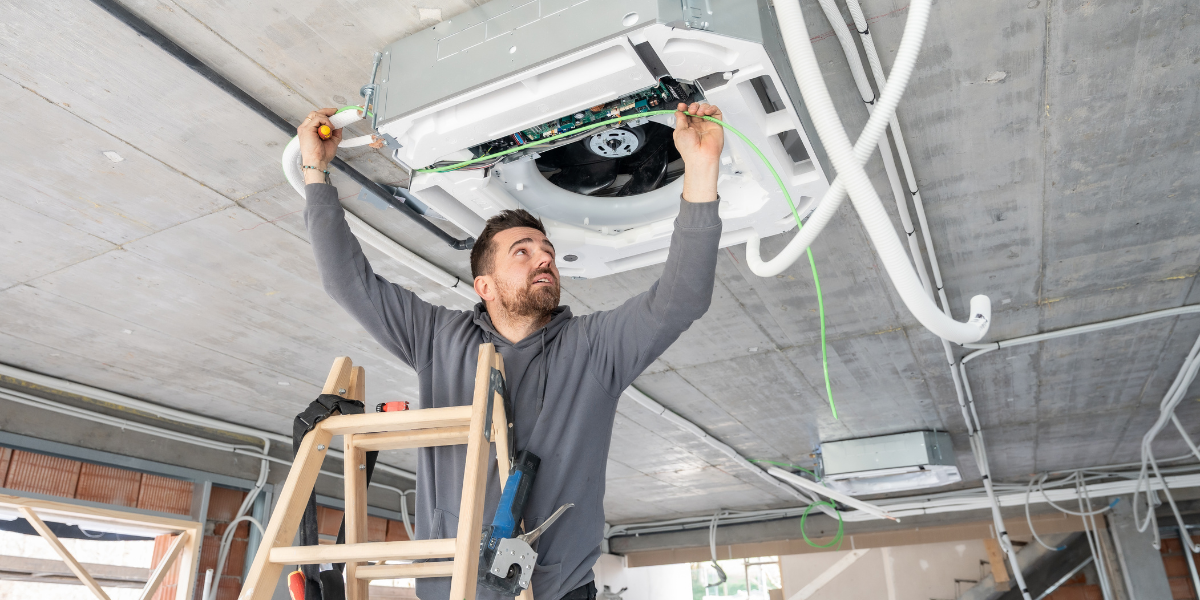
Safety protocols are not a one-size-fits-all checklist. Different types of upgrades require specific testing methodologies to ensure the home remains a healthy place to live.
Indoor Air Quality Testing
This procedure measures the concentration of microscopic airborne particles, chemical off-gassing from building materials, & relative humidity levels. Mold spores can grow behind freshly insulated walls if the interior humidity is above 50 percent. IAQ testing guarantees that your home will receive a proper amount of fresh air exchange without jeopardizing your thermal comfort.
Carbon Monoxide and Gas Leak Testing
If you heat your home with natural gas, propane, or fuel oil, you must have combustion safety testing. Technicians employ sensitive electronic sniffers around gas pipes to discover minuscule leaks too small to smell but deadly over time. They also do worst-case depressurization testing, which is what happens when all exhaust fans are functioning at the same time, to make sure water heaters & furnaces still vent their exhaust outside safely.
HVAC and Duct Inspections
Before hooking up new heating & cooling systems, evaluating the existing infrastructure is critical. Duct testing measures total system leakage & static pressure. If your ductwork is riddled with holes, it won't just waste your heated or cooled air; it can pull dusty air from dirty crawlspaces or attics straight into your bedrooms.
Insulation and Air Sealing Verification
Air sealing stops drafty air from migrating through your floorboards & ceilings, but it must be done with precision. Technicians utilize blower door testing to depressurize the house and locate exact leakage pathways. Thermal imaging cameras are then deployed to verify that insulation layers are continuous, leaving no cold uninsulated pockets where condensation could form and rot structural wood.
Ready to Improve Your Home's Efficiency?
Contact Home Efficiency Experts for a thorough home assessment or to book your service.
Get A Free Home AssessmentBenefits of Health and Safety Testing for Homeowners
Investing in diagnostic testing might feel like an extra step, but it delivers massive long-term dividends for both your physical well-being and your wallet.
Protecting Family Health
The primary objective of diagnostic testing is to keep your household out of harm's way. By catching high radon levels, carbon monoxide leaks, or localized mold blooms early, you mitigate chronic respiratory illnesses, mysterious headaches, & long-term toxic exposure.
Enhancing Energy Efficiency
Of course safety diagnostics reveal hidden efficiency losses. A properly sealed & tested duct system allows your ducted heat pumps to work on shorter, more efficient cycles. This focused tactic stops your mechanical systems from working overtime to beat open spaces, reducing your monthly utility bills.
Peace of Mind and Compliance
Local municipalities across the country are continually updating their building codes to require performance testing for major renovations. Completing these tests ensures your project passes official inspections without delay, preserving the structural integrity & future resale value of your real estate investment.
How Home Efficiency Experts Ensure Safety During Upgrades
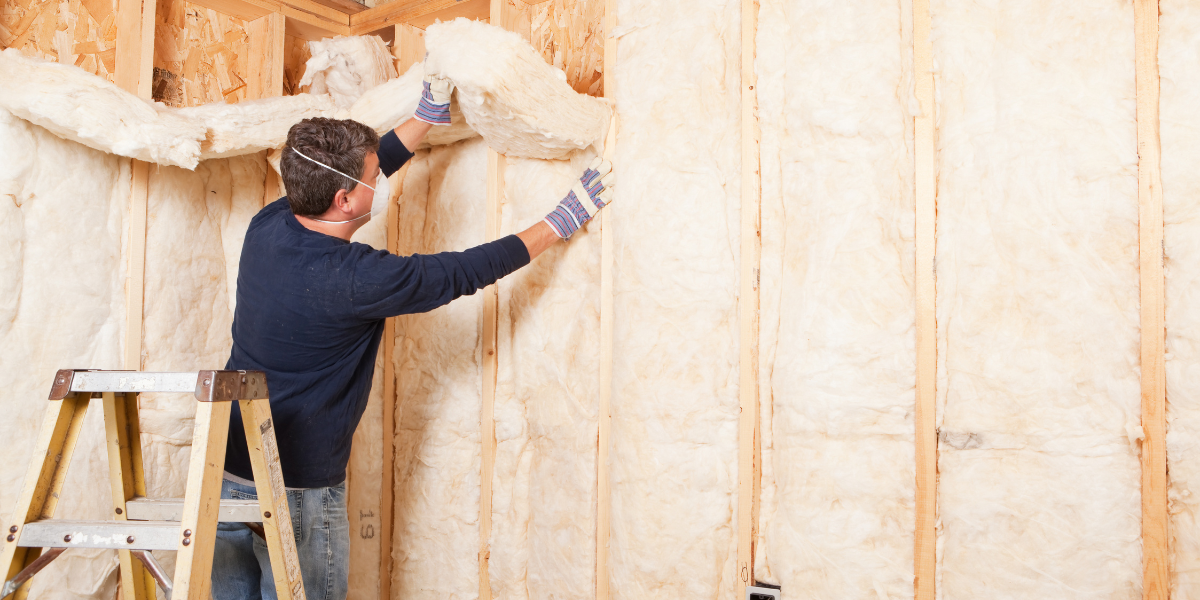
At Home Efficiency Experts, we look at your house through a holistic lens. We know that a house is a collection of moving, reacting parts, which is why safety is woven directly into every single efficiency service we offer.
Home Energy Assessment: Every major upgrade project begins with a comprehensive home energy assessment. We do not guess where your home is losing energy or where safety risks lie; we use calibrated equipment to map out exactly how your home handles air exchange and energy consumption.
Insulation Services: Our insulation services go far beyond simply blowing fiberglass into an attic. We perform meticulous pre-insulation checks to clear out old debris and identify bypasses, followed by post-installation testing to confirm that the thermal barrier is performing flawlessly.
Duct Sealing and Air Sealing: We use specialized pressure diagnostics to execute air sealing and duct sealing with surgical precision. We close off toxic air pathways from basements and attics while leaving your living areas with just the right amount of controlled ventilation.
Ducted Heat Pumps: When our teams install high-efficiency ducted heat pumps, we analyze your home’s air-handler capacity and electrical panels carefully. We test the complete airflow loop to make sure your new system delivers clean, safe, and perfectly tempered air to every room.
Ready to Improve Your Home's Efficiency?
Contact Home Efficiency Experts for a thorough home assessment or to book your service.
Get A Free Home AssessmentPractical Tips for Homeowners During Renovations
Managing a home upgrade can feel overwhelming, but keeping a few professional principles in mind will keep your project running smoothly and safely.
Insist on Certified Professionals: Always partner with contractors who hold accredited certifications in home performance diagnostics. They possess the training required to interpret subtle pressure changes & airflow readings correctly.
Test on Both Ends: Never settle for testing only at the end of a project. Demand a baseline test before work starts so you know exactly what problems need solving & insist on a test-out evaluation to prove the work was done safely.
Combine Energy and Safety Work: Do not separate your efficiency goals from your safety goals. When you bundle services like insulation with proper mechanical ventilation upgrades, you save money on labor while maximizing the long-term health of your home environment.
Conclusion
High utility bills & drafty rooms are problems worth solving, but your family's health is irreplaceable. Upgrades like updated insulation, precision air sealing, & advanced ducted heat pumps provide remarkable comfort, but they must be paired with thorough health & safety testing. Taking a systematic, whole-home approach ensures your indoor air remains clean, your gas appliances vent safely, & your property is fully protected against moisture and mold.
Do not guess when it comes to the safety of your living space. Contact us today to book your comprehensive home energy assessment and ensure your next home improvement project keeps your family comfortable, efficient, and completely safe.
Frequently Asked Questions
What is health and safety testing for home upgrades?
It’s a series of specialist diagnostic techniques done before, during, & after a home improvement. These examinations contain combustion safety testing for gas appliances, blower door tests to determine air flow rates, and assessments for mold, radon, or poor indoor air quality. When you have structural or mechanical modifications, the goal is to make your home safe and breathable.
What services are included in a home energy assessment?
A thorough assessment includes a full home energy assessment to pinpoint energy loss, along with professional insulation services & target area air sealing. It also looks closely at your heating and cooling distribution, evaluating if you need duct sealing or an upgrade to modern ducted heat pumps to ensure safe, balanced climate control.
How often should health and safety testing be done?
Testing should always happen right before and immediately after any major renovation, structural insulation shift, or HVAC replacement. Beyond that, it is wise to have your home checked every three to five years, or anytime you notice lingering odors, unexplained spikes in utility bills, or persistent indoor allergy symptoms.
Can these tests save money in addition to protecting health?
Yes. By locating exact spots where conditioned air is escaping through leaky ducts or uninsulated framing, these tests show you exactly where to apply fixes. Sealing these zones optimizes your heating & cooling equipment performance, lowers your monthly power bills, and prevents costly structural repairs down the road.
Why is health and safety testing necessary if I am just upgrading insulation or heat pumps?
Adding insulation or air sealing makes a home airtight, which can accidentally trap indoor moisture, allergens, and airborne pollutants if ventilation isn't verified. This structural shift can also alter air pressure dynamics, causing fuel-burning appliances to backdraft toxic carbon monoxide into your rooms instead of venting it safely outside.