
How Does an HVAC System Upgrade Improve Home Air Quality for Allergy-Prone Families?
HVAC upgrades can help reduce indoor allergens by improving filtration, controlling humidity, sealing leaky ducts, and maintaining cleaner airflow. Higher-efficiency filters may capture more pollen, dust, pet dander, and mold spores, but the filter must be compatible with the system. Indoor humidity should generally remain between 30% and 50% to discourage mold and dust mites.
- Common triggers: Pollen, dust mites, pet dander, and mold spores
- Filtration upgrade: Use the highest-efficiency filter your system supports
- Recommended humidity: Between 30% and 50%
- Airflow improvement: Seal leaking ducts and address ventilation problems
- Ongoing protection: Replace filters and schedule regular HVAC maintenance
If you are a homeowner with a persistent allergy symptom in a house located in either Suffolk or Nassau County, the HVAC system may be the root cause. The problem of allergies is on the rise in millions of Long Island families, and not all understand that outdated HVAC systems, humidity problems, and inefficient air circulation in their homes are the causes of this problem.
It is more important than you think that there is a relationship between how comfortable you are and how your HVAC system Long Island homes rely on, performs. An HVAC system upgrade will dramatically improve your home's air quality, reduce the number of allergens circulating in your home, save on power bills, and, most importantly, increase the comfort of allergy-prone families. We are going to understand how specific HVAC improvements can turn your indoor world into a more comfortable place and give permanent relief against allergy symptoms.
Ready to Improve Your Home's Efficiency?
Contact Home Efficiency Experts for a thorough home assessment or to book your service.
Get A Free Home AssessmentWhy Allergy Symptoms Are Worse Inside Many Long Island Homes

You can be surprised to learn that the indoor air can be much more contaminated than the outdoor air: in some cases, two to five times. In Long Island, it is further exacerbated by a few additional factors: seasonal pollen of coastal plants, constant humidity caused by the ability to be close to the ocean, aging houses with the old system of ventilation, and leaky ductwork sucking pollutants out of unconditioned areas.
Common Indoor Allergy Triggers Circulating Through HVAC Systems
The purpose of having an HVAC system in your home is to move the air around your home, but unless it is well-filtered and well-maintained, an HVAC system can be counterproductive in taking out allergens instead of eliminating them. Ordinary offenders are dust mites, pollen, pet dander, mold spores, and volatile organic compounds (VOCs). Older HVAC system Long Island homes also do not have the filtration required to trap these microscopic particles, and therefore they just keep circulating in your living areas, causing allergies every day and night.
Warning Signs Your HVAC System Is Contributing to Allergies
Do you know whether your allergies are getting worse because of your HVAC system? Keep an eye out for the following red flags: persistent sneezing or congestion that becomes more pronounced indoors, dust accumulating on surfaces as quickly as possible after they have been cleaned, a musty smell when your system is active, and uneven temperatures in the rooms. These are some of the symptoms that your system is not a good filter of air or does not retain the right level of humidity, which is crucial in allergen control indoors.
Key HVAC Upgrades for Allergy Relief
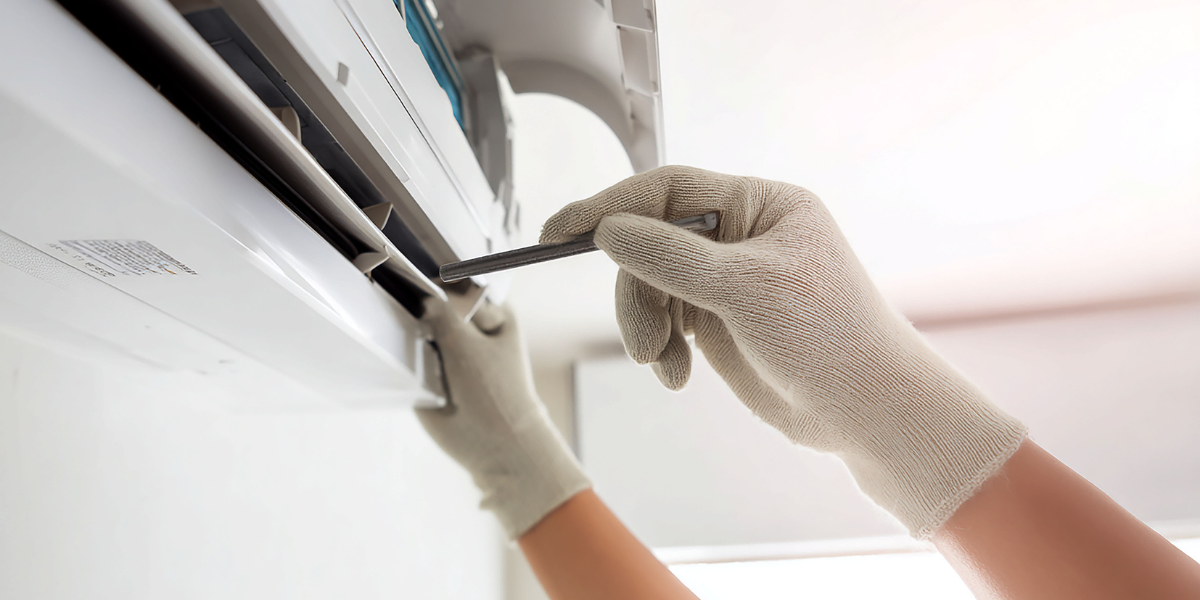
The holistic HVAC system upgrade can address allergens at multiple levels and offers whole-house solutions that are far beyond the capabilities of single air purifiers. Although portable devices may be useful in single rooms, they do not solve the problem of poor air quality or of circulating polluted air along your duct system.
High-Efficiency Filtration and Air Purification
Advanced filtration forms the basis of any strategy for HVAC for allergies. The higher-rated MERV 11+ filters are effective at removing pollen, dust mites, pet dander, and mold spores before they enter your home. To protect further, entire-house HEPA filtration systems eliminate up to 99.97% of microscopic particles as small as 0.3 microns.
UV-C light systems represent another powerful tool for air filtration improvements. These systems eliminate bacteria, mould, and viruses within the HVAC system, preventing the growth of microorganisms on cooling coils and in ductwork where moisture naturally migrates.
The Role of Modern Heat Pumps in Air Quality
In addition to the conventional furnace and air conditioning, the new system of heat pumps can be used in the modern HVAC system Long Island residents rely on to stay comfortable all year round. Because they do not require separate cooling and heating units, heat pumps have the benefit of keeping the indoor airflow more consistent and cleaner as compared to conventional systems. This continuous, mild flow is essential to optimizing home air quality for HVAC systems because it provides the air with the opportunity to pass through air filters with enhancements to the air quality, such as HEPA filters.
This process is the best way to ensure maximum allergen control and a healthy balance of humidity in the home, making it a better option for any professional HVAC installation that is health- and efficiency-oriented.
Advanced Air Scrubbers and VOC Reduction
Air scrubbers improve indoor air quality by actively capturing odors, chemical pollutants, and ultrafine particles that conventional filters cannot capture. These systems are suitable for households with pets, those that have been recently renovated, or households where family members have asthma. Air scrubbers make the environment of your home healthier by lowering the amount of VOCs contained in cleaning products, building materials, and daily activities.
Humidity Balance at Home—A Critical Factor for Allergy Control

The humidity imbalance is a major aggravator of allergy symptoms, and the seasonal changes in humidity on Long Island, such as the humid summer and the dry winter, also make it difficult to live with a family with allergies. Humidity is also important in preventing mold formation and dust mite infestation, as well as ensuring that respiratory tracts are comfortable.
Dehumidifiers for Mold and Dust Mite Prevention
High moisture levels provide perfect breeding areas for mold and dust mites, especially in basements and stale areas. Whole-home dehumidifiers built into your HVAC system will reduce moisture levels in your home, preventing microbial growth in ducts, on walls, and in areas that are not easily noticeable and thus conducive to allergen growth.
Humidifiers for Dry Winter Air
On the contrary, the respiratory passages and sinuses are irritated by dry winter air, and the effects of allergies feel worse. Entire-home humidifiers inject moisture to calm the airways and lessen respiratory irritation. The aim is to have the best possible indoor humidity at 30-50% throughout the year, and this entails automated systems that will respond to the change of season.
Duct Sealing and Cleaning for Cleaner Indoor Airflow
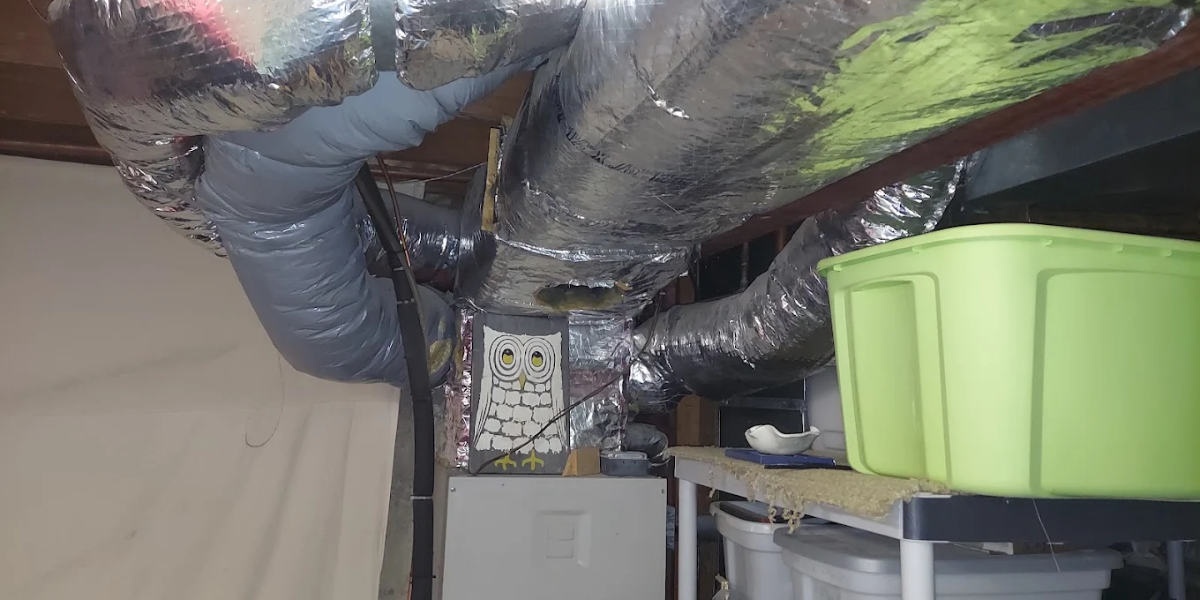
Leaky ductwork is a hidden culprit behind poor indoor air quality. Duct systems have gaps and cracks that allow allergens to enter attics, crawl spaces, and basements, bringing them straight into your home. These pollutants bypass your filtration system altogether, and as such, the duct upgrades are invaluable when doing any HVAC installation or upgrade.
Benefits of Sealing Leaky Ductwork
Professional duct sealing can avoid contaminants and enhance the efficiency of systems as well as comfort in your home. Sealed ducts deliver filtered air to your living spaces without dust, mold spores, or other allergens sticking to it on the way, thanks to their airtight design. This is also more energy-efficient, since your system can no longer grapple with filling the air loss.
Professional Duct Cleaning for Allergy Relief
Duct cleaning is used to clean off the accumulated dust, mold spores, and debris that is formed over the course of the operation. The service is mostly required when transferring to the old house, after the renovation, or when you notice visible dampness or excessive dust around the vent registers. Combined with proper sealing, professional duct cleaning establishes a clean foundation for cleaner indoor airflow.
How HVAC Upgrades Improve Air Quality and Energy Efficiency Together
The fact that modern HVAC upgrade services both enhance the quality of the air and save on energy is one of the most interesting and motivating issues about the new service. These are not mutually exclusive aims- these are complementary advantages of well-structured and installed systems.
Variable-Speed and Zoned HVAC Systems
Variable-speed systems are more predictable in delivering airflow and filtration because they operate longer with lower speeds as opposed to switching on and off. This repeated process of air through filters implies that a higher number of allergens are trapped. The zoned systems eliminate the hot and cold spots that characterize homes in Long Island, ensuring that all rooms are provided with well-filtered, cooled air.
Long-Term Savings and Rebates for HVAC System Upgrades
Reduced utility costs through efficient operation typically offset upgrade investments within several years. Additionally, HVAC system upgrade Long Island homeowners pursue often qualify for local rebates and incentives through PSEG Long Island and other utility programs, making improvements more affordable than many families expect.
Benefits of HVAC Upgrades for Allergy-Prone Families

The comprehensive benefits of professional HVAC upgrades extend far beyond simple allergen reduction.
Reduced Allergy Triggers Indoors
Through the right kind of filtration, humidification, and sealed ducts, your home environment will be significantly less focused on pollen, dust, pet dander, and mold spores. A large number of families have reported significant symptom improvement within a few days of system upgrades.
Better Breathing and Respiratory Health
Reduced asthma flare-ups, better sleep, and a more comfortable daily life are common results. These improvements are of great advantage to children and elderly family members who are usually the most susceptible to poor air quality.
Healthier, More Comfortable Living Environment
Regulated humidity helps prevent the growth of microbes and keeps the climate comfortable all year round. Good indoor air quality will ensure that you can at last enjoy your home without having to be bothered with allergy symptoms all the time.
Ready to Improve Your Home's Efficiency?
Contact Home Efficiency Experts for a thorough home assessment or to book your service.
Get A Free Home AssessmentWhy Professional HVAC Installation and Maintenance Matter
Meanwhile, effective allergen control cannot be achieved just by upgrades of equipment but by building-science-based diagnostics and professional installation. By teaming up with reputable local HVAC specialists, you can be sure that your system has been sized correctly and properly installed and maintained to operate at peak efficiency.
Whole-Home Assessments vs. Quick Fixes
Proper treatment means the system-level solutions to the problem of allergy are needed, which will not be on the symptoms but on the causes. Professional indoor air quality services detect problems such as air leaks, pressure imbalances, and ductwork issues that the DIY approach misses entirely.
Ongoing HVAC Maintenance for Clean Air
Long-term air quality and efficiency are ensured by changing filters regularly, conducting seasonal maintenance, and tuning the system. Professional HVAC maintenance helps to avoid small problems from turning into big problems and ensures that your air quality improvements will provide results year after year.
How Home Efficiency Experts Improve Indoor Air Quality with Building-Science Expertise

At Home Efficiency Experts, we take a whole-home, building-science-driven approach to HVAC and indoor air quality improvements throughout Long Island. Our comprehensive methodology ensures every upgrade delivers maximum health, comfort, and efficiency benefits.
Our Diagnostic-First Approach to HVAC and Air Quality
Blower-door testing and infrared thermal imaging identify air leaks, insulation gaps, and pressure imbalances that influence HVAC operation. These enhanced diagnostics also aid us in identifying the causes of allergen intrusion that other contractors fail to notice, to make sure that our solutions are based on the actual causes of your air quality issues.
Integrated HVAC, Insulation, and Air Sealing Solutions
We don't just upgrade HVAC systems in isolation. Our BPI- and Pearl-certified experts pair HVAC improvements with insulation and air sealing for maximum impact. Using cellulose, spray foam, and board insulation strategically, we create building envelopes that support cleaner indoor airflow and proper humidity balance at home.
High-Efficiency HVAC Upgrades Tailored to Your Home
Home Efficiency Experts installs heat pumps, mini-splits, furnaces, and AC systems specifically designed for allergy-sensitive households. Our expertise ensures upgrades are properly sized, professionally installed, and optimized for your home's unique characteristics and your family's specific needs.
Helping Homeowners Access Rebates and Incentives
We can also lead the homeowners in PSEG Long Island and other utility rebates, making the upgrade to energy-efficient HVAC and air quality less expensive. Our teams handle the paperwork and ensure you get the most out of your incentives.
Conclusion
HVAC system upgrade will not only be an improvement to your home, but it will be a long-term commitment to the health, comfort, and value of your home. In families on Long Island with allergy-prone individuals, targeted HVAC improvements can offer relief for those with symptoms that affect their quality of life, in addition to saving on energy expenses and making them feel more comfortable.
If you're ready to breathe easier in your own home, consult experienced HVAC professionals who understand the unique challenges Long Island homeowners face. Contact us today to schedule a comprehensive assessment and discover how customized HVAC and air quality solutions can transform your indoor environment.
Frequently Asked Questions About HVAC and Allergies
Q. What is the $5,000 Rule for HVAC?
The $5,000 rule is a guideline that helps homeowners decide between repairing an existing system or investing in an HVAC system upgrade. If the repair cost multiplied by the system's age exceeds $5,000, replacement typically makes more financial sense. When air quality improvements and energy efficiency are factored into this decision, upgrading often provides better long-term value, especially for allergy-prone families who will benefit from modern filtration and humidity control features.
Q. What HVAC System Is Best for Allergies?
Variable-speed systems and high-efficiency heat pumps are the best options for all allergy sufferers, as they operate more frequently and filter the air more often throughout the day. Find systems that can be used with HEPA filtration, UV-C lamps, and Humidity control. The optimal system to install in your house is dependent on your unique layout, available ductwork, and the sensitivity of your family- aspects that can be determined by the services of professional indoor air quality specialists during a complete analysis.
Q. How Does an HVAC System Improve Indoor Air Quality?
HVAC systems enhance the quality of the air present in the building by four major measures: filtration (removal of particles in the air), ventilation (introduction of fresh outside air and elimination of stale indoor air), humidity control (maintaining proper moisture levels), and airflow control (making sure there is proper airflow in the building at all times). Professional indoor air quality services are also needed to optimize the system, which is achieved by modern systems in all of these areas.
Q. How Can I Make My House More Allergy-Friendly?
Making your home allergy-friendly requires combining HVAC upgrades with proper maintenance and complementary improvements. Start by upgrading to high-efficiency filtration and ensuring proper humidity balance at home. Add air sealing to prevent allergen infiltration, clean or seal ductwork to eliminate contamination sources, and establish a schedule for regular HVAC maintenance, including filter changes and system inspections.
Ready to Improve Your Home's Efficiency?
Contact Home Efficiency Experts for a thorough home assessment or to book your service.
Get A Free Home Assessment